
For families · a free bedtime feature, in beta
A calm minute together
before lights-out.
A quiet, five-minute evening ritual. No screen time for your child. Just a friendly way to name how the day felt and talk about tomorrow, together.
A calm few minutes
A quiet moment to talk about the day, with no screen for your child.
Name how it felt
Friendly animal characters give a shy kid somewhere to point.
Just for your family
A private family storybook of Green Days, not a scorecard.
No child login, notifications, legal name, face, school, or exact age.
The nightly ritual
Close the day, together.
Add your child to your account. No separate login required.
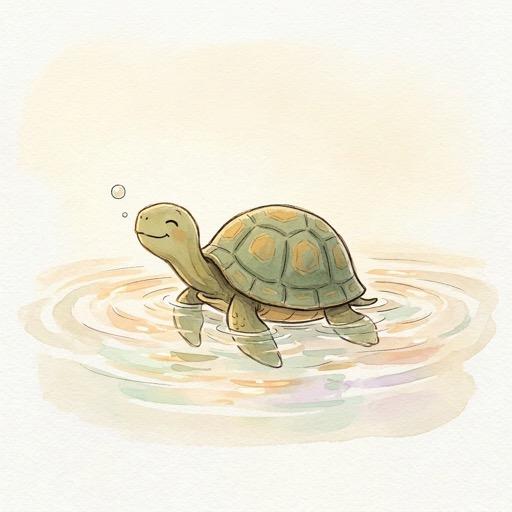
Turtle

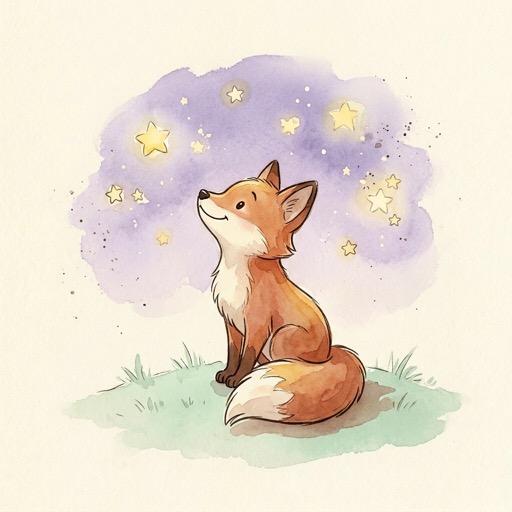
Fox
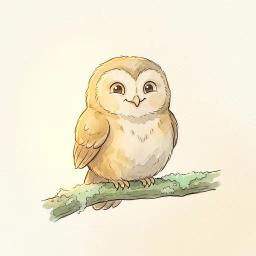
Owl
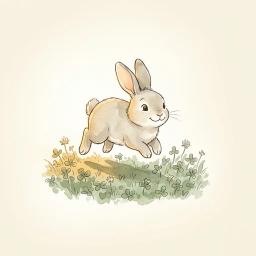
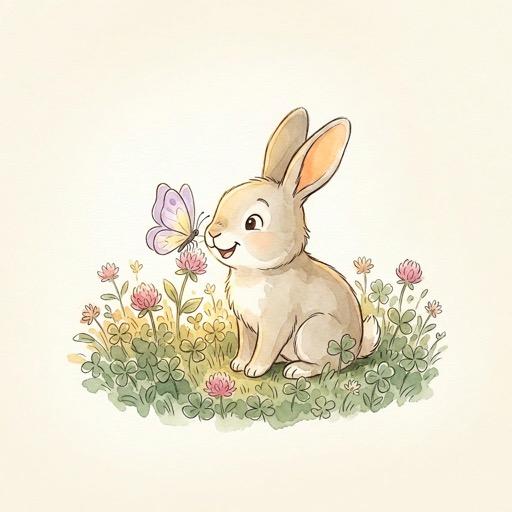
Rabbit
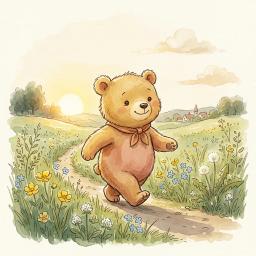
Bear

Whale
When closing the day, ask: Was today Great, Okay, or Hard? Name the feeling to tame it. The character gives them somewhere to point if words are hard.
Pick one fun thing, one small habit, and one little chore for tomorrow. It gives the night a gentle shape, together.
Hard days are welcome too
The picture stays calm. On a hard day, the character simply rests. It's a place to say “today was hard” out loud, not a grade.
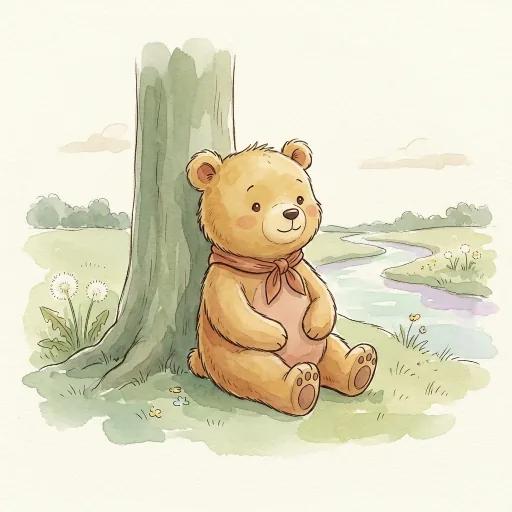
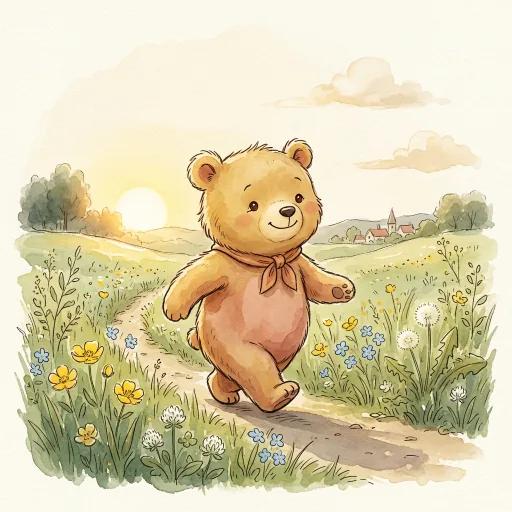 A good day
Bright and easy.
 A mixed day
Some ups, some downs.
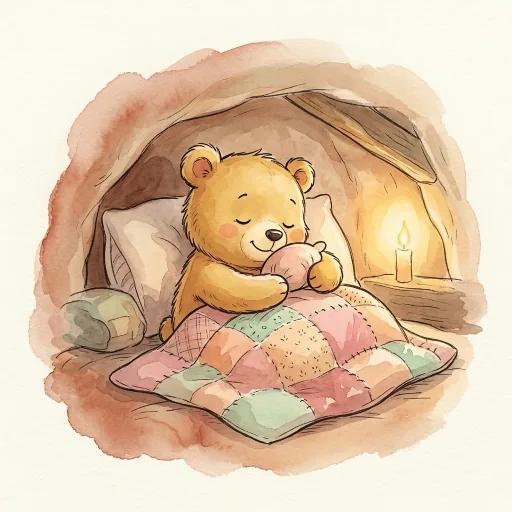 A hard day
Still gentle. Still safe.
The phone is the candle, not the campfire.
Who this is for
Parents who like winding down together.
If you already read or talk before sleep, HealthBrew gives that moment a simple shape to hang the conversation on.
Each child has their own nickname and character inside your account. No streaks. No pressure. Just a few minutes together.
A look inside
The Green Day framework.
Minimal interface. Maximum connection.
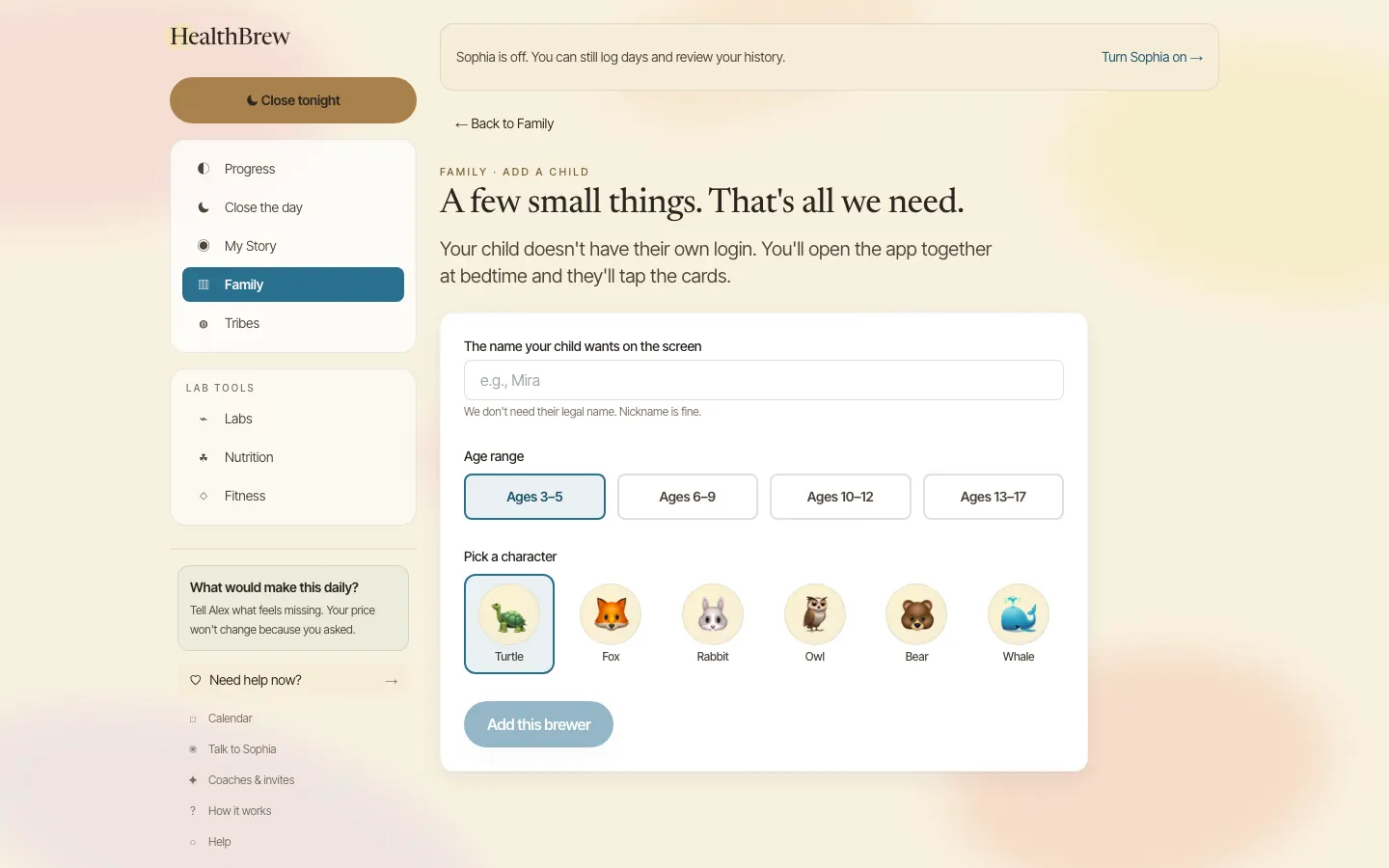
Set up the profile
A nickname, an age range, a character. No legal name, ever.
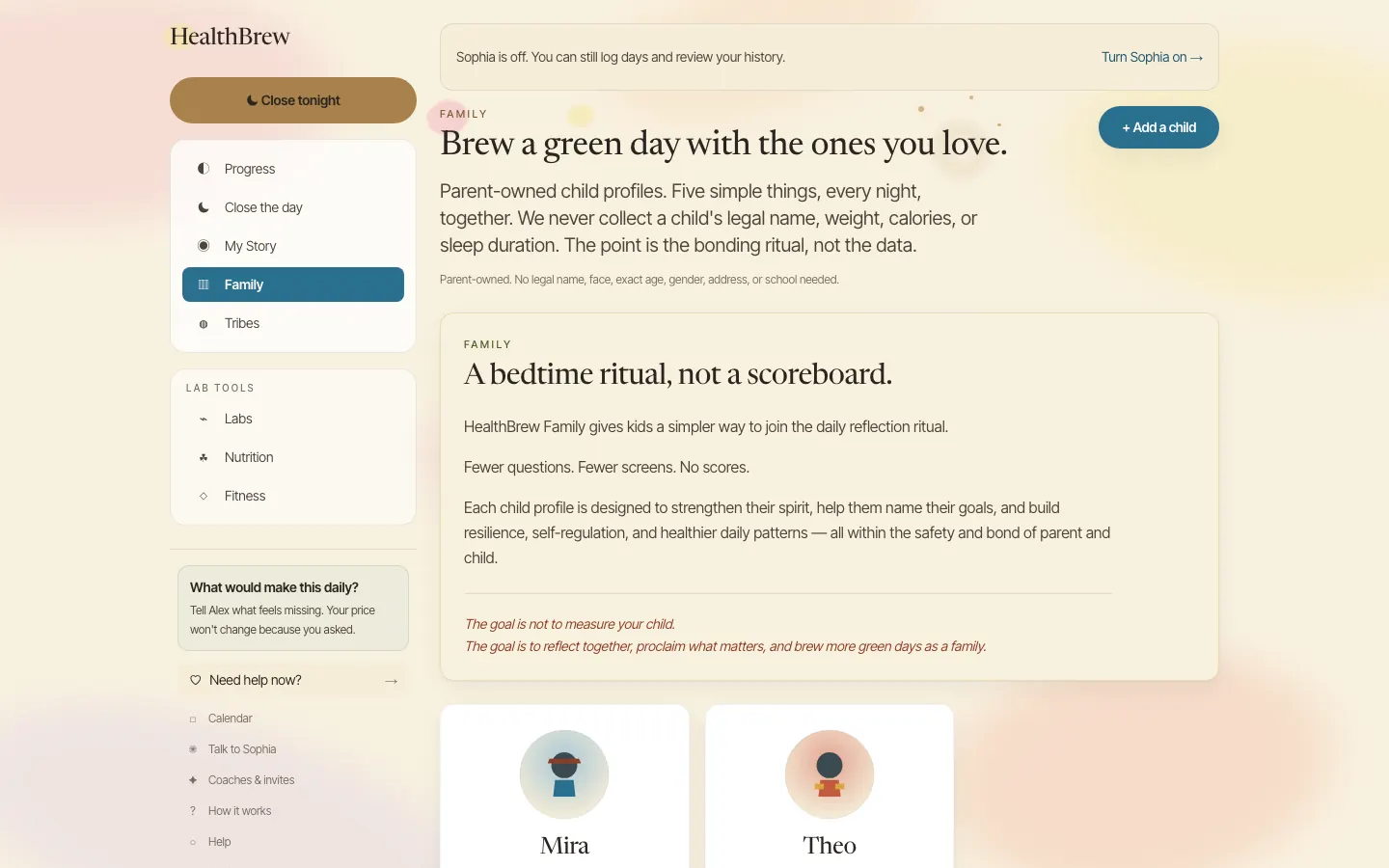
Your family's page
Your whole family in one view. The account is yours.
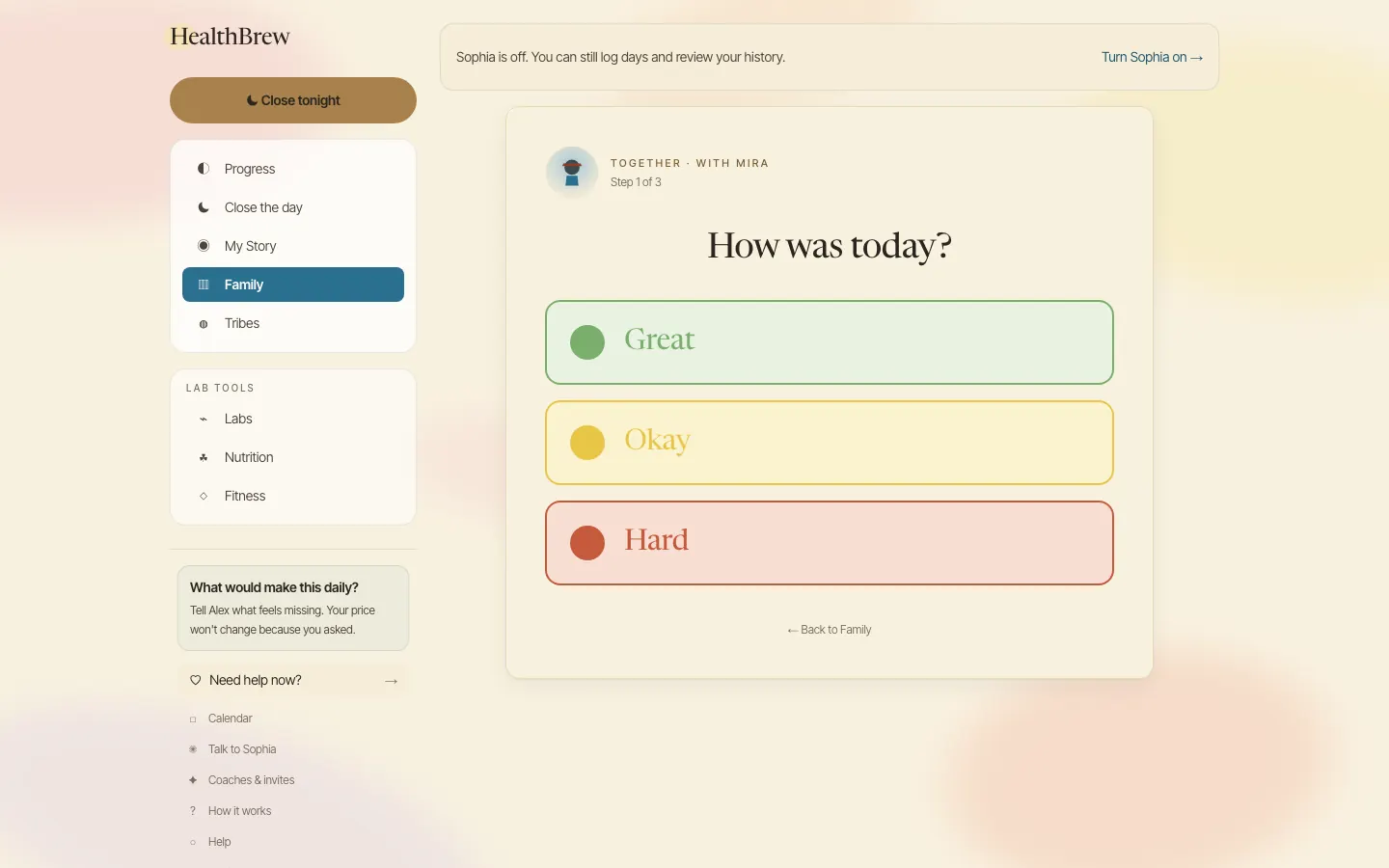
Gauge the day
Three simple choices to gauge the day. Great, Okay, Hard.
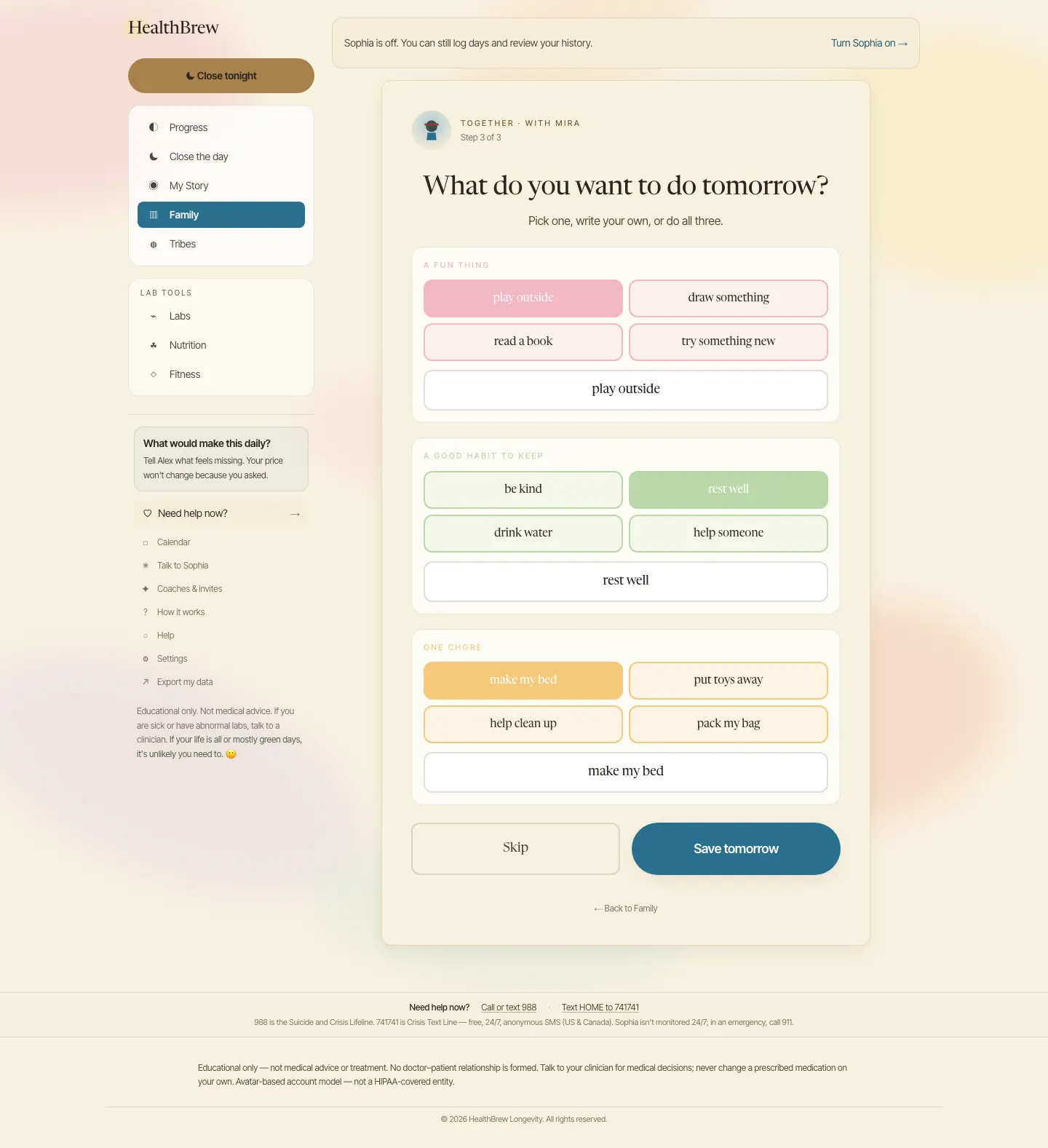
Build the routine
Set tomorrow's habits. One fun thing, one good habit, one small chore.
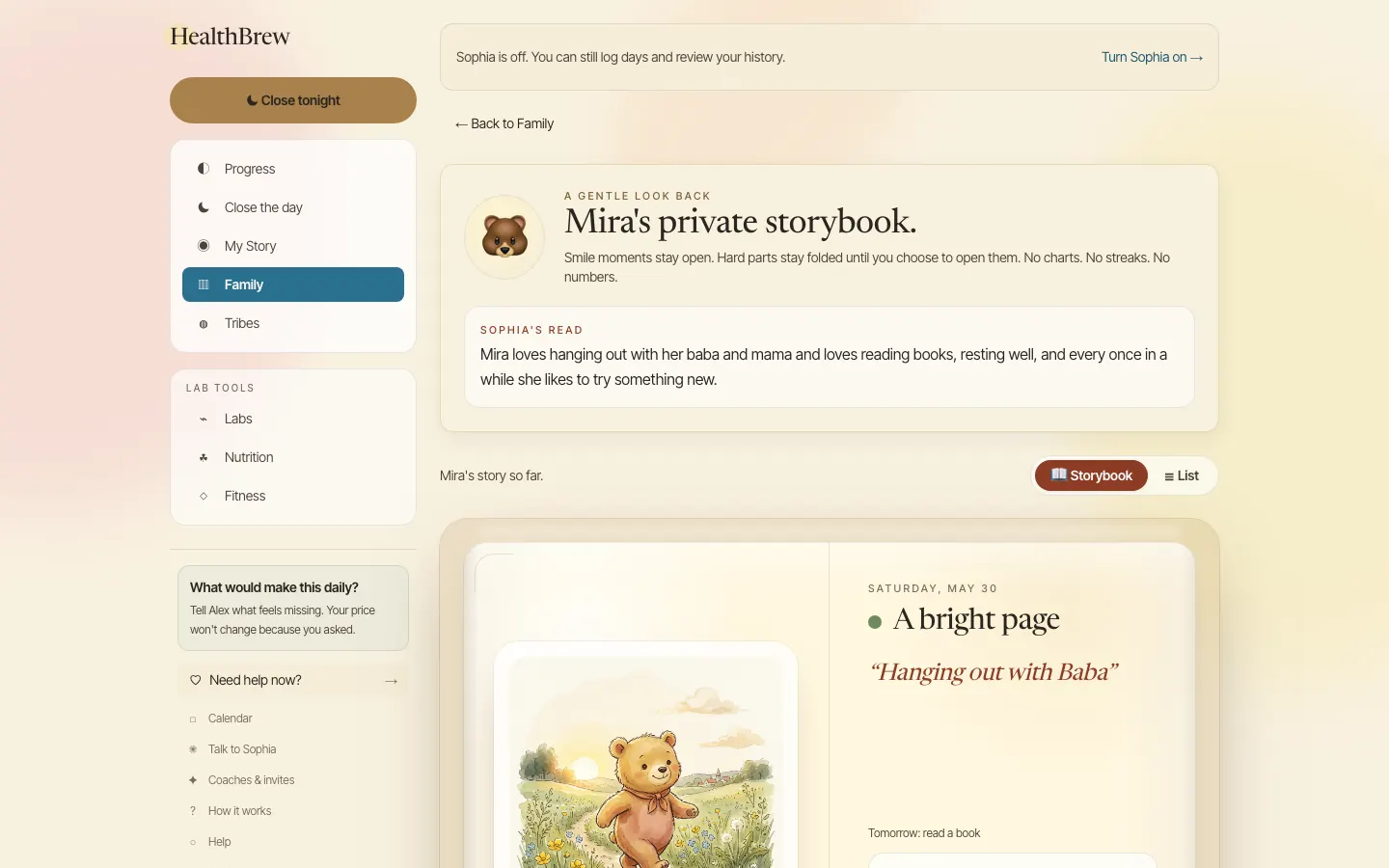
A little storybook
A private storybook of Green Days, saved for your family.
The whole thing takes about three minutes. A small, calm way to end the day.
Why we keep it simple
Honest about what this is.
HealthBrew Family is a bedtime ritual, not a program that changes your child. It's a few calm minutes to talk, nothing more.
It's a few minutes at bedtime, done together. A parent and child name how the day felt and pick a small plan for tomorrow.
What it is
It runs from your account. No child login, no notifications for your child, and no legal name, face, school, or exact age on file.
How it's built
It's not a program, a screener, or a grade. Hard days are welcome, and a quiet night is a perfectly good night.
What it isn't
Small practice. Honest expectations.
Educational only — not medical advice. HealthBrew is a household reflection tool, not a clinical instrument or a screener. If you are worried about your child's mood or sleep, your pediatrician is the right next call.
Full reading list and citations are kept under methodology.

Brew your family's
Green Days.
A few calm minutes together, before lights-out. That's the whole idea.
This bedtime feature is free while it's in beta. Adding your child stays inside your own account.
Educational only — not medical advice.