Kobe 4AM Routine: Real Wake Time in LA
One coach watched a 4am session and wrote down what he saw. It was not superhuman. It was the most basic drills in basketball, done with total attention, and that is the copyable part.
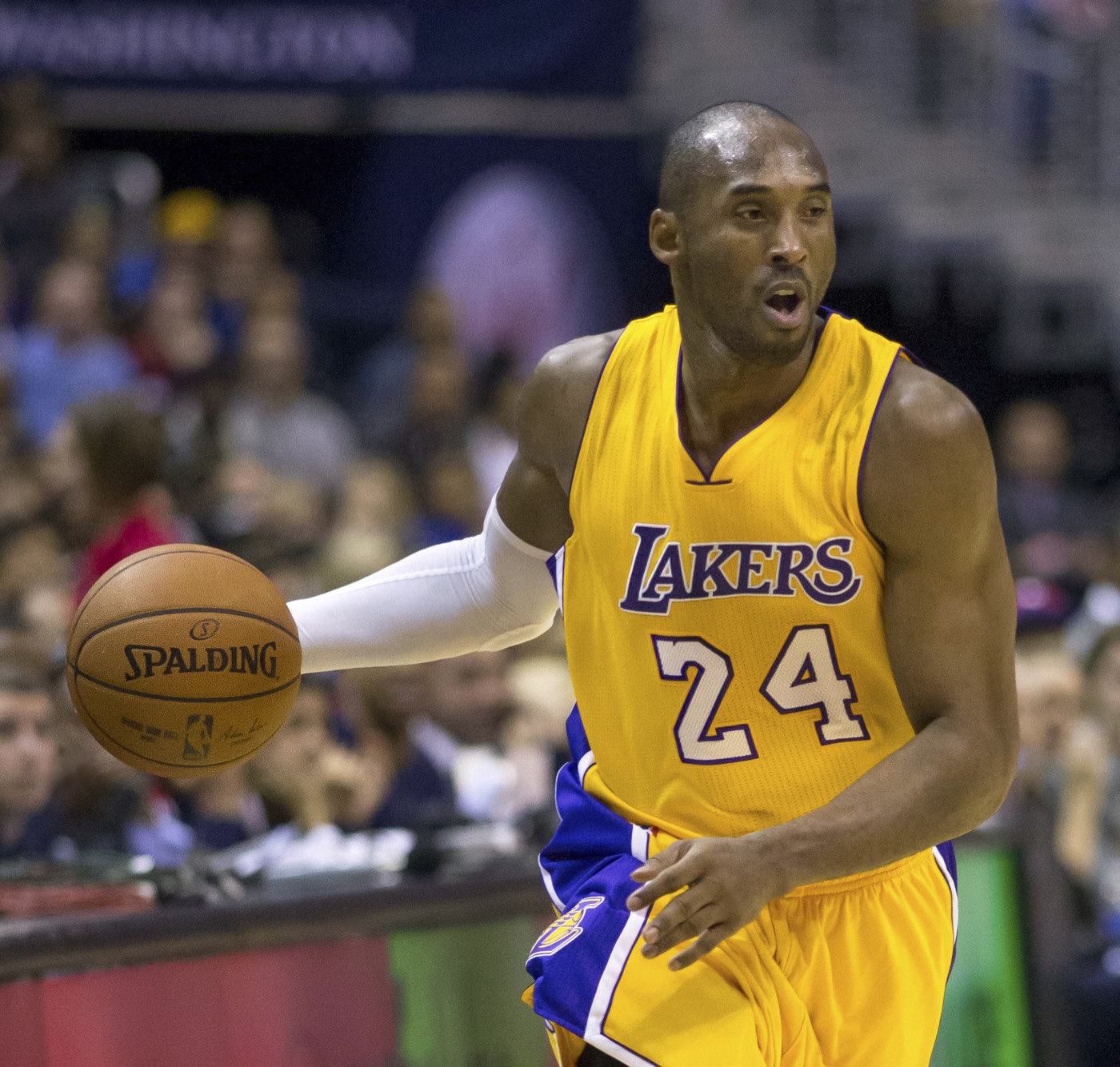
In July 2007, Nike ran the first Kobe Bryant Skills Academy in Los Angeles. Alan Stein, a basketball performance coach working the camp, asked to watch Kobe's individual workout. He was told it started at 4am. Stein showed up at 3:30 to look eager. Kobe was already there, already sweating.
Then came the part Stein has retold ever since, on his own site and from a hundred stages. For 45 minutes he watched the best player in the world do the most basic drills in basketball: basic ball-handling, basic footwork, basic offensive moves. At breakfast he asked why. Kobe's answer, as Stein recalls it: "Why do you think I'm the best player in the game? Because I never get bored with the basics."
That is the whole secret, and notice what it is not. It is not the clock. Almost every Kobe routine page on the internet leads with the hour and skips the content. Stein's account, the one dated, first-hand, on-the-record description of a Kobe 4am workout we could find, is about repetition, not sunrise. The dialogue is Stein's recollection, years later; nobody was recording at 4am. But he was in the gym, he has told the same story consistently since 2007, and no one who trained with Kobe has disputed it.
The habit, precisely
- Individual skill work before the team's day started. Teammates and coaches have told versions of this for two decades, Byron Scott has described 4am texts from the practice facility. The pattern is well attested. The exact schedule is not.
- The content was fundamentals, done slowly and precisely. Per Stein's account: 45 minutes of basic drills at game intensity, with long pauses to get positions exactly right, before any conditioning.
- The famous numbers are not sourced. The "666 program": six hours a day, six days a week, six months each offseason, appears on hundreds of fitness sites. We went looking for its origin: Ballislife credits Born To Workout, Born To Workout credits nobody, Lakers Daily calls it "fabled," and the coverage of his Muse documentary we read does not carry it. No interview, no dated quote. Unverified. Same verdict for "four workouts a day" and every exact drill count. They mutate between retellings, which is what folklore does.
- He kept studying after he stopped playing. This part is documented: after retiring he wrote and narrated Dear Basketball, which won the 2018 Academy Award for best animated short, and made Detail for ESPN+ in 2018, an entire show of him re-watching game film and breaking down footwork, possession by possession. The repetition habit outlived the playing career it built.
And the sleep. This is the cost, not the lesson. A 4am start with a normal NBA night means a short night, and Kobe said as much, in a 2006 ESPN conversation with Stephen A. Smith he is widely quoted saying he could run on three or four hours (we could read that quote only second-hand, so treat it as reported, not verified). Do not copy it. The American Academy of Sleep Medicine and the Sleep Research Society reviewed the evidence and concluded adults should regularly sleep seven or more hours (Watson et al. SLEEP, 2015), a floor, not a target. Kobe himself moved on this: later in his career he worked with sleep-and-mindfulness advocates and recorded a lesson on sleep and meditation for Arianna Huffington's Thrive course, teaching the opposite of the four-hour legend. The internet kept the legend and dropped the correction. This page keeps the correction.
What the science says
Repetition in a stable context is how behaviors become automatic. In the study everyone cites, a new behavior took a median of 66 days to feel automatic, and that median is over the 39 of 96 volunteers whose curves the model actually fitted, with a range of 18 to 254 days (Lally et al. European Journal of Social Psychology, 2010). The same paper found that missing a single day did not materially derail the process. Kobe's "never get bored" is this finding with a jersey on.
More sleep helped basketball players shoot better, not worse. When Stanford had varsity players extend their sleep toward ten hours in bed, free-throw and three-point percentages rose along with sprint times, in a study of 11 players with no control group (Mah et al. SLEEP, 2011). Suggestive, not proof. But it points the opposite way from the 4am legend.
Seven hours is the floor. The AASM/SRS consensus panel (Watson et al. SLEEP, 2015), expert review over largely observational evidence, and still the most defensible number on this page.
Watching yourself is a real intervention. A meta-analysis of 122 studies found behavior-change programs built on self-monitoring outperformed those without it (Michie et al. Health Psychology, 2009). Detail was Kobe self-monitoring with a camera crew.
Why the basics worked
A skill done ten thousand times no longer costs attention, and attention is the scarce thing in a game. Kobe's edge, in Stein's telling, was not exotic drills, the campers at that academy knew every drill he did. It was that he did them with total precision after they stopped being interesting. Most people upgrade the drill when it gets boring. He treated boring as the signal that the repetitions were finally starting to count.
The 4am clock was just where an obsessive fit extra repetitions around a team schedule. The repetitions were the mechanism. The hour was the packaging.
How to run it yourself, starting tonight
Steal the repetition, not the alarm clock.
- Pick ONE basic and write it down tonight. The skill version of a free throw: ten minutes of scales, twenty push-ups, one page of writing, a 15-minute walk. Something you already know how to do.
- Schedule it at your existing wake time, not at 4am. Attach it to something fixed: after the kettle goes on, before the shower. Lally's study protected exactly this: same action, same context, daily.
- Protect the seven-hour floor first. Wake time minus 7.5 hours is lights-out; put it in the calendar tonight as a recurring event with an alarm on it, an alarm to go to bed.
- Do it boringly. Same reps, same order, for a season. The median to automatic was 66 days; the range ran to 254. Missing one day did not matter in the data, so don't let one miss become three.
- Keep a one-line record. Done or not done, each night. That is the Michie finding, and it is sixty seconds.
The mistakes that kill this habit
- Copying the clock instead of the reps. Waking at 4am to scroll in a quiet house is the legend with the mechanism removed.
- Funding the early start out of sleep. Below seven hours you are borrowing from the same body you are trying to train. This part of Kobe's schedule was the price of his life, not the source of his skill, and he later taught people to sleep more, not less.
- Upgrading the drill every week. Novelty resets the automaticity clock. Boredom is the tell that it is working.
- Trusting your memory instead of a record. "I practice most days" is mythology in miniature. A one-line log settles it.
- Quitting after a missed day. The one solid number in this literature says a single miss did not materially affect habit formation (Lally 2010). Two hundred and fifty-four days was inside the normal range.
Where HealthBrew fits
Kobe's version of checking was game film. Yours can be sixty seconds: HealthBrew's nightly close asks whether the basic thing happened today, and keeps the record so a season of repetitions is visible instead of imagined. Membership, cancel anytime.
Educational content, not medical advice. Kobe Bryant died in January 2020; this page describes his documented working habits with respect and makes no claim about their relation to his health. The 4am workout account is Alan Stein's, from his own published tribute (alansteinjr.com) describing the 2007 Nike Skills Academy; the dialogue is his recollection. The "666 program" could not be traced to any primary source and is marked unverified. We picked a champion to write about, a biased way to choose. Thousands of players ran the same drills at the same hours and almost nobody knows their names. Persistent short sleep deserves a doctor, not a routine.
Common questions
Did Kobe Bryant really work out at 4am?
The pattern is well attested; the exact numbers are not. The one dated, first-hand published account is Alan Stein's: at the 2007 Nike Skills Academy he watched a workout that began before 4am and consisted of 45 minutes of basic ball-handling and footwork drills. Teammates like Byron Scott have described pre-dawn texts from the practice facility. But the precise schedules quoted online, hours, drill counts, makes-per-morning, mutate between retellings and none traces to Kobe himself.
What was the Kobe Bryant 666 workout?
Supposedly six hours a day, six days a week, six months each offseason. We could not find a primary source for it: the fitness sites that carry it (Ballislife, Born To Workout and others) cite each other, not an interview, and Lakers Daily itself calls the program "fabled." Until someone produces a dated quote, treat it as gym lore, not a documented routine.
Should I copy the 4am wake-up?
No, and by the end of his career, neither did Kobe's own public advice. He is widely quoted (from a 2006 ESPN conversation, which we could only read second-hand) saying he ran on three or four hours of sleep; he later recorded a lesson on sleep and meditation for Arianna Huffington's Thrive course. The consensus of the American Academy of Sleep Medicine and Sleep Research Society is seven or more hours for adults (Watson et al. SLEEP, 2015), and the Stanford sleep-extension study, 11 players, no control group, found basketball performance improved with more sleep, not less (Mah et al. SLEEP, 2011). Copy the boring repetitions at an hour your sleep can afford.
Want more days like theirs — measured on your own life?
HealthBrew is a physician-built longevity habit tracker. Close your day in about 60 seconds; your AI companion coach finds what your best (“green”) days have in common. Educational self-reflection — not medical advice.
Related guides
Want more days like theirs — measured on your own life?
HealthBrew is a physician-built longevity habit tracker. Close your day in about 60 seconds; your AI companion coach finds what your best (“green”) days have in common. Educational self-reflection — not medical advice.
Close tonight · ~60 seconds