How Much Sleep Does Messi Get? Hours & Bedtime
Most celebrity routines are built from other people’s claims. Messi’s has one habit he confirmed on camera, and the rest is looser than the routine blogs admit.
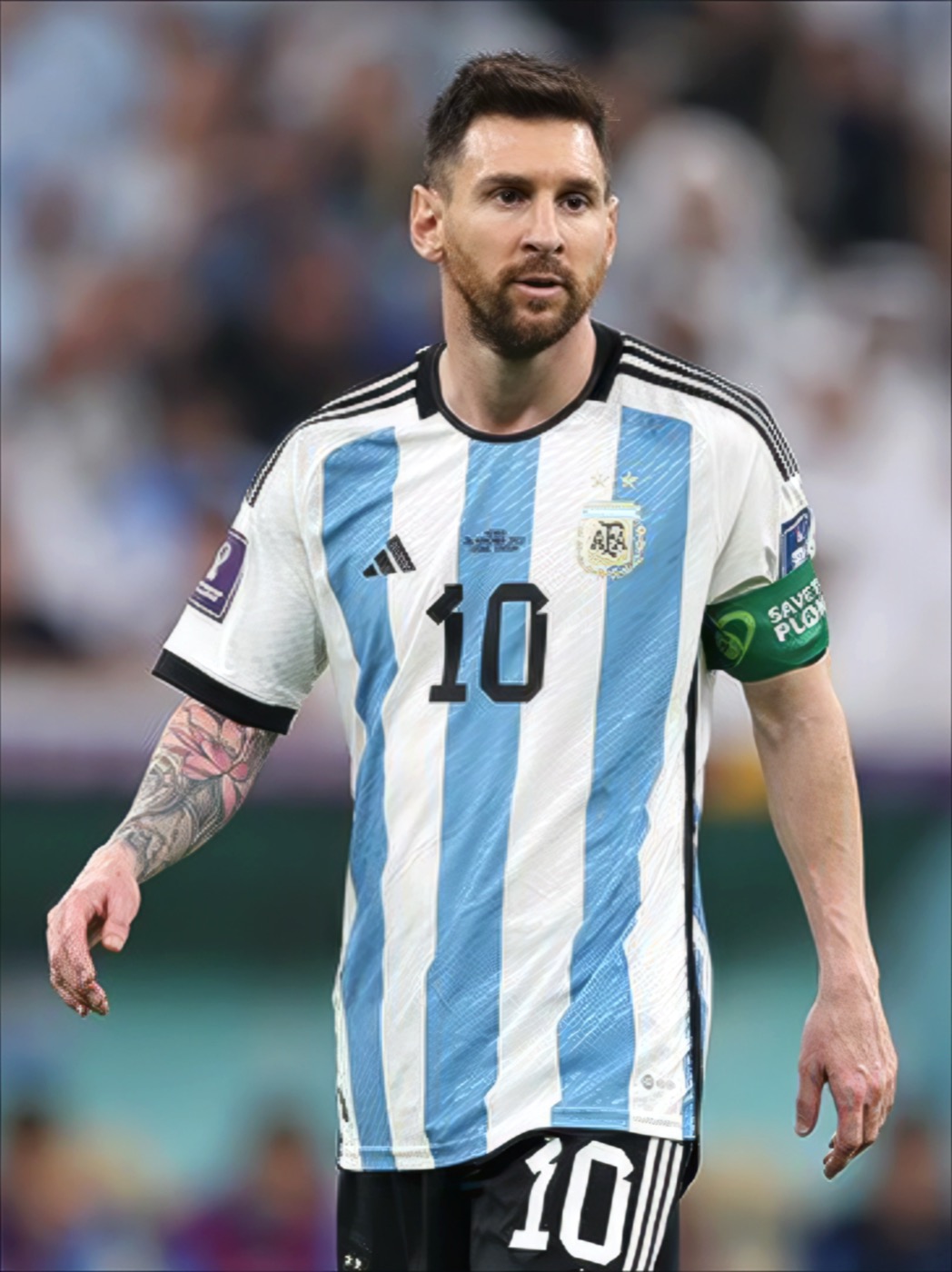
For years, Lionel Messi kept throwing up during matches. It happened in front of cameras, often enough that Diego Maradona commented on it and reporters asked about it. Theories piled up, nerves, illness, something mysterious.
In March 2018, on the Argentine TV program La Cornisa, Messi gave the boring answer himself: "I ate badly for many years: chocolates, fizzy drinks, and everything. That is what made me throw up during games. Now I look after myself better. I eat fish, meat, salads. Everything is organised and taken care of."
That quote is rarer than it looks. Most of what the internet says about a famous person's day comes from coaches, teammates, and blogs quoting each other, we built a whole ledger of that for Ronaldo. Messi's routine is the unusual case where the man himself confirmed the habit, the problem it fixed, and the cause. What he confirmed was a subtraction. He didn't describe adding a supplement, a protocol, or a 5am alarm. He described taking things out.
The habit, precisely
- One problem, named honestly. Vomiting during matches, plus the soft-tissue injuries that were interrupting his seasons around 2013 to 14. Not "I want to be healthier." A specific, recurring, visible problem.
- A subtraction, not an addition. By his own account the fix was removing the junk, the chocolate and fizzy drinks, not layering anything on top. The reported version of the plan, from nutritionist Giuliano Poser, is the same shape: sugar out, refined flour down, red meat down.
- A short default list. Poser's reported foundation was five foods: water, olive oil, whole grains, fresh fruit, fresh vegetables. Important caveat, same as on our five-foods page: that list comes from secondary reporting of Poser's interviews, not from Messi, and we could not read Poser's original Mundo Deportivo interview ourselves.
- A decade of the same plan. He made the change around 2014 and confirmed it was still his way of eating in 2018, "everything is organised and taken care of." He won the World Cup in 2022, in his mid-thirties, still running some version of it.
The rest of the routine, honestly sorted
The mate: verified in pictures, not in quotes. Messi is photographed with a mate gourd constantly: at training grounds, on team buses, at national-team camps. The ritual is real and documented visually across two decades. But the quotes about it are shakier. Mate-vendor blogs sell a Messi line, "yerba mate is part of my life", that we could not trace to any dated interview. And the widely borrowed quote "Maté is for everything" is real, dated, and belongs to somebody else: Philadelphia Union's Julián Carranza said it, in Jon Arnold's July 2024 ESPN piece on mate at the Copa América. That article quotes six players. Messi is not one of them.
The sleep: reported, not verified. The "Messi sleeps 11 hours a day" claim that fills routine listicles traces, as far as we could follow it, to a Mirror report citing Spanish sleep specialist Dr. Eduard Estivill, retold by lifestyle sites. We could not find a direct quote from Messi or from Estivill in that chain, so we won't print the number as his. What we can say: nothing on the record has Messi bragging about short nights, and the siesta is an ordinary part of Argentine footballing culture. The direction of the story, a full night plus a real nap, at least points the healthy way.
The exact wording varies, because it's a translation. Different outlets render the La Cornisa quote slightly differently; some versions add "alfajores" and "at 22, 23." We quoted the wording that appears identically in the two reports we read in full, ESPN's and Sports Illustrated's, and left out the details that appear only in versions we couldn't read.
What the science says
A short plant-forward list is the same family as the best-evidenced way of eating. The PREDIMED trial randomized about 7,400 adults at cardiovascular risk to a Mediterranean-style pattern, vegetables, fruit, whole grains, olive oil, and found roughly 30% fewer major cardiovascular events, which in absolute terms is under one fewer event per hundred people over five years (Estruch et al. NEJM, 2018 republication). Read it with its flaw attached: the original was retracted because about one in five participants weren't individually randomized, so the republished version is part trial, part observation.
Subtracting beats deciding. A meta-analysis of 122 studies found self-monitoring, writing your own behavior down, was the single component that most reliably separated programs that worked from ones that didn't (Michie et al. Health Psychology, 2009). A standing rule like "no fizzy drinks in the house" is the same move by other means: it replaces forty weekly decisions with one.
Repetition, not willpower, is what makes it stick. In Lally et al. (European Journal of Social Psychology, 2010), new daily habits took a median of 66 days to feel automatic, a median over the 39 of 96 enrolled volunteers whose curves the model fitted, range 18 to 254. Simpler behaviors became automatic faster, which is an argument for a five-item list over a nineteen-rule plan. And missing a single day made no measurable difference.
The sleep floor is seven hours. Whatever Messi's real number is, the consensus of the American Academy of Sleep Medicine and the Sleep Research Society is that adults should regularly get seven or more (Watson et al. SLEEP, 2015). A floor, not a target.
Why the subtraction worked
Messi didn't fix his vomiting with more discipline at dinner. He fixed it by making the junk unavailable as a default. That's the whole difference between a diet and a standing rule: a diet argues with you every evening at 8pm, and a standing rule was settled once, at the shop.
It's also why his version survived a decade while ambitious plans die in March. There was nothing to fall off. Fish, meat, salads, and the reported five-food base under it, dull on any given Tuesday, which is exactly what a habit that has to last ten years should be.
The honest part: Messi has genetics almost nobody has, club medical staff, a full-time cook's worth of support, and a nutritionist who wrote the plan for him. The vomiting stopping and the roughly three kilograms he reportedly lost come from press coverage, not a published record. Nobody can draw a line from a shopping list to a World Cup, plenty of players cleaned up their diets and never got near one. We wrote about him because he won, which is a biased way to pick.
How to run it yourself, starting tonight
- Name your version of the vomiting. One specific, recurring problem, the 3pm crash, the 11pm snack spiral, not "be healthier." Write it down tonight.
- Pick ONE subtraction and make it a standing rule. Messi's was sugary drinks and chocolate. Yours goes in as "not in the house," decided once at the shop, not "less of it," decided nightly.
- Write your five. Five real foods you'll actually eat, on the fridge, under most meals. His reported five were water, olive oil, whole grains, fresh fruit, fresh vegetables. Five is the constraint that matters, not his list.
- Protect the seven-hour floor. Wake time minus 7.5 hours, in the calendar tonight as a recurring lights-out event (Watson et al. 2015). Copy the direction of the reported routine, not the unverified 11.
- Give it a season. Median 66 days to automatic, range 18 to 254, and one missed day didn't matter (Lally et al. 2010).
The mistakes that kill this habit
- Copying the list instead of the shape. The mechanism is a short default list plus one subtraction. Poser's exact five aren't magic, and they aren't even first-hand.
- Subtracting three things at once. Messi's confirmed change reads as one category: the junk. All-or-nothing plans break at the first restaurant.
- Making it a diet with an end date. His ran a decade. A rule you plan to relax in June is a decision deferred, not a decision made.
- Trusting the quotes before the sourcing. If a page gives you Messi's exact hours of sleep or a poetic mate quote with no date and no interview named, you're reading the mythology layer.
- Admiring the routine instead of running one. His plan was written by a professional and enforced by a club. Yours has to survive an ordinary Tuesday, which is exactly why it should be smaller.
Where HealthBrew fits
The reason Messi's story is usable is that he named the problem plainly and could see it, it happened on camera. Your version doesn't. I eat fine, mostly survives because nothing checks it. HealthBrew's nightly close is sixty seconds of checking: did the standing rule hold today, yes or no, on a calendar you can see. Membership, cancel anytime.
Educational content, not medical advice. Messi's quotes are from his March 2018 La Cornisa TV interview, read in ESPN's and Sports Illustrated's matching English reports; the five-food detail is secondary reporting of Giuliano Poser's interviews, which we could not read in the original; the 11-hour sleep figure is reported, not verified. Recurring vomiting is a doctor conversation, not a diet project.
Common questions
What has Lionel Messi actually said about his own diet?
The clearest statement is from his March 2018 interview on Argentine TV program La Cornisa: "I ate badly for many years: chocolates, fizzy drinks, and everything. That is what made me throw up during games. Now I look after myself better. I eat fish, meat, salads. Everything is organised and taken care of." We verified that wording across ESPN’s and Sports Illustrated’s reports of the interview. The famous five-food list (water, olive oil, whole grains, fresh fruit, fresh vegetables) comes from secondary reporting of his nutritionist Giuliano Poser’s interviews, not from Messi himself.
Does Messi really sleep 11 hours a day?
We could not verify it. The claim traces to a Mirror report citing sleep specialist Dr. Eduard Estivill, retold across lifestyle sites, and we found no direct quote from Messi or Estivill in that chain, so we treat the number as reported, not verified. The evidence-based floor for adults is seven or more hours a night, from the American Academy of Sleep Medicine and Sleep Research Society consensus (Watson et al. SLEEP, 2015).
Did Messi say "Mate is for everything"?
No. That quote is real and dated, but it belongs to Philadelphia Union striker Julián Carranza, in Jon Arnold’s July 2024 ESPN article on mate at the Copa América, a piece that quotes six players and none of them is Messi. Messi’s mate habit itself is well documented in photographs across two decades, but the poetic mate quotes attached to his name on vendor blogs have no dated interview behind them that we could find.
Want more days like theirs — measured on your own life?
HealthBrew is a physician-built longevity habit tracker. Close your day in about 60 seconds; your AI companion coach finds what your best (“green”) days have in common. Educational self-reflection — not medical advice.
Related guides
Want more days like theirs — measured on your own life?
HealthBrew is a physician-built longevity habit tracker. Close your day in about 60 seconds; your AI companion coach finds what your best (“green”) days have in common. Educational self-reflection — not medical advice.
Close tonight · ~60 seconds