Ronaldo Sleep Schedule: Naps Myth vs His Words
Three columns: what is on the record, what is second-hand, and what the internet invented. The most-repeated fact about his day is in the third column.
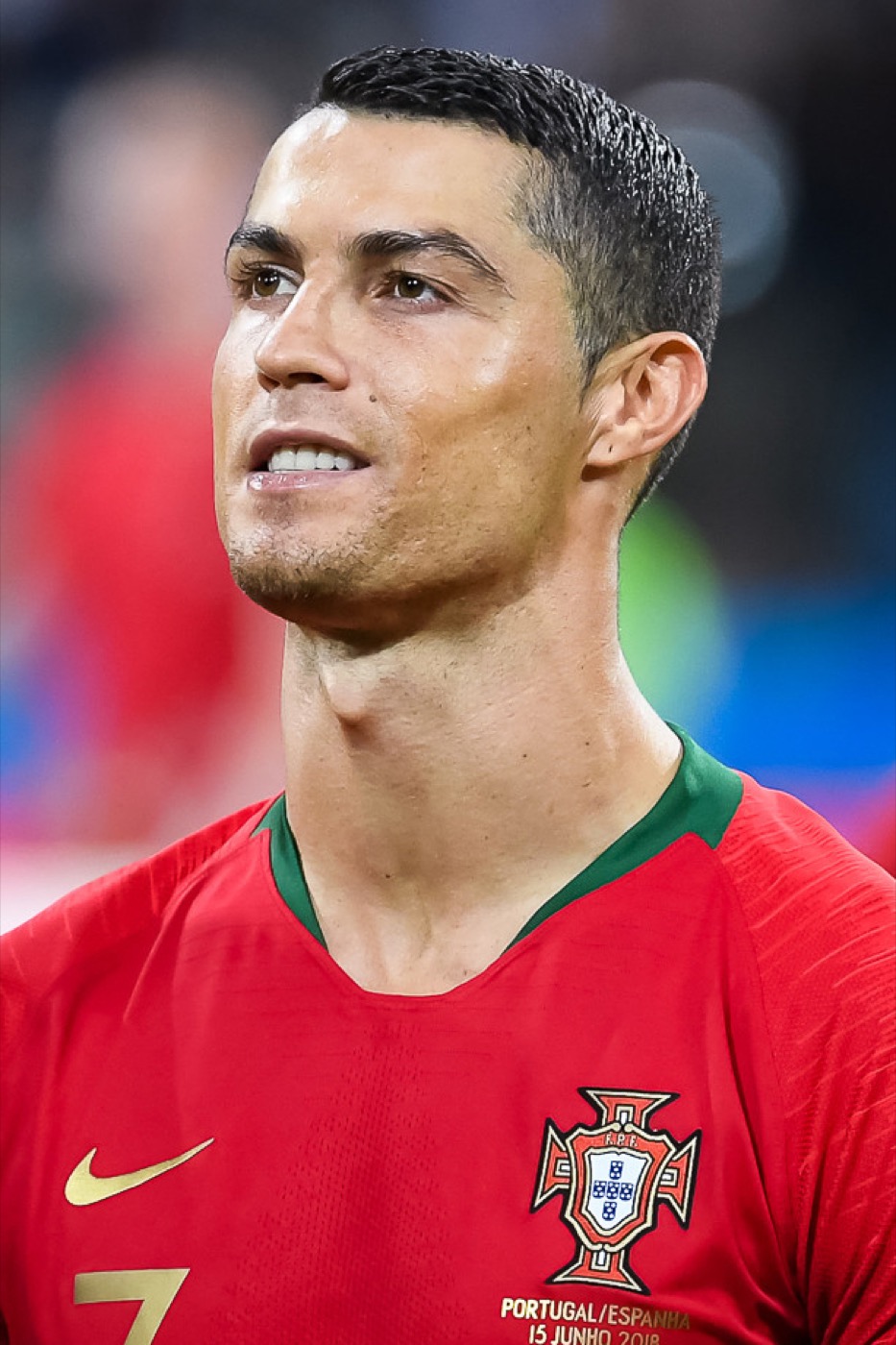
Almost every page about Cristiano Ronaldo's day says the same thing: he doesn't sleep at night, he sleeps in 90-minute naps, on fresh sheets, in the fetal position.
The man that claim is attributed to says it isn't true.
Nick Littlehales is the sleep coach Real Madrid brought in. Asked by Die Zeit in December 2024 about reports that he had Ronaldo sleeping in 90-minute blocks six times a day, he did not soften it: "a misunderstanding. You could even call it fake news." The paper adds, in its own words, that he would never wake anyone every 90 minutes.
He corrected a second detail nobody repeats: he was not Ronaldo's personal coach. He was brought in for the whole squad.
So instead of habits, a ledger: what is on the record, what is second-hand, what the internet built.
Verified, his own words, his own actions
He drinks water and says so out loud. On 14 June 2021, at Portugal's Euro 2020 press conference in Budapest, he moved two Coca-Cola bottles out of shot, held up water, and said one word: "Agua."
He leaves room for ordinary food with his kids. His words: "To eat some pizza with them, or a burger with some chips... if not, your kids are gonna call you a boring father."
Two quotes we could not date. "Proper sleep is really important for getting the most out of training" and "I like to eat properly... the most precious thing in your life" are attributed to him everywhere, but we found them only on quote-aggregator sites, never in a dated interview. They may well be his. Same test as everyone else.
Disputed, real people said it, but he didn't
The naps. Littlehales did work at Real Madrid, and he does talk about daytime sleep. What he advocates is his R90 approach: counting sleep in roughly 90-minute cycles across a week rather than hours in a night. Not a reason to stop sleeping at night.
The phones. In August 2025, former Portugal teammate Cédric Soares told ESPN Brasil that Ronaldo keeps phones out of bedrooms and puts his away at a set hour. Cédric was there. But it is a teammate's recollection, not Ronaldo's statement, and it arrives with a stray line about blocking 5G that is not physiology.
Everything with a number attached. Six small meals, three thousand calories, a precise bedtime, no interview behind any.
Mythology, where the naps actually came from
The origin isn't hidden. The five-naps story traces to British tabloid coverage, the version that spread widest ran in The Sun, recasting Littlehales' squad work as a personal prescription. Aggregators rewrote it, then routine blogs, then AI summaries, each citing the last.
Littlehales' correction has been public for years. It travels worse than the story it corrects, because "athlete does something bizarre" beats "coach explains sleep cycles." The tell: check whether a page links a transcript or a date. The nap pages link each other.
What the ledger is for
The number worth knowing is how much sleep, not what shape. A consensus panel of the American Academy of Sleep Medicine and the Sleep Research Society concluded adults should regularly get seven or more hours (Watson et al. SLEEP, 2015), a floor, not a target.
Writing your own behavior down is the best-evidenced thing here. A meta-analysis of 122 studies found self-monitoring interventions beat those without it (Michie et al. Health Psychology, 2009).
The honest part: Ronaldo's career comes from genetics almost nobody has and the medical staff of the richest clubs in sport. Not habits you can adopt. We wrote about him because he won, a biased way to pick.
More on the recovery side: sleep as training, the Ronaldo method.
How to run it yourself
The verified column says one thing: sleep goes in the calendar as an event, not whatever is left at the end of the day.
- Pick the wake time first, the one your actual mornings demand. Not the one you wish you had.
- Count back 7.5 to 8 hours. Wake at 6:30 and lights-out is 10:30 or 11:00.
- Put lights-out in the calendar as a recurring event, every day including weekends, with an alarm on it, to go to bed, not to get up.
- Name one swap for the sugary drink, the bottle you actually reach for, and the thing that replaces it. Ronaldo's version was water, on camera.
- Give it a season before judging it. Behaviors took a median of 66 days to feel automatic in the study everyone cites, self-report, range 18 to 254, and that median is over the 39 of 96 volunteers enrolled whose curves the model fitted (Lally et al. European Journal of Social Psychology, 2010).
Where HealthBrew fits
Mythology beats fact because nobody checks. It happens to your own life too, I sleep fine, I eat well most days, with no record behind it. HealthBrew's nightly close is sixty seconds of checking, so the record is a ledger, not a mythology. Membership, cancel anytime.
Educational content, not medical advice. Littlehales' quotes are from his December 2024 Die Zeit interview (Rudi Novotny), read in Worldcrunch's licensed English translation; Ronaldo's from his Euro 2020 press conference (14 June 2021) and public diet interviews. Persistent sleep trouble deserves a doctor, not a routine.
Common questions
Does Cristiano Ronaldo really sleep in five 90-minute naps a day?
No. Nick Littlehales, the sleep coach the claim is attributed to, told Die Zeit it was "a misunderstanding. You could even call it fake news," adding "he would never wake someone up every 90 minutes." He also clarified he was brought in for the whole Real Madrid squad, not as Ronaldo's personal coach. The claim traces to British tabloid coverage, most widely The Sun, that recast his R90 cycle-counting approach as a nap schedule.
What has Ronaldo actually said about his own routine?
Less than you would think, and that is the point of this page. What is properly dated: at Portugal's Euro 2020 press conference on 14 June 2021 he moved the Coca-Cola bottles aside, held up water and said "Agua." On food, he has described eating pizza with his kids so they do not call him a boring father. Two widely-quoted lines about sleep and eating properly appear on hundreds of pages, but we could not trace either to a dated interview, so we list them as unverified rather than repeat them as fact.
How much sleep should I actually be aiming for?
The American Academy of Sleep Medicine and the Sleep Research Society ran a consensus panel and concluded adults should regularly sleep seven or more hours, with less associated with worse outcomes (Watson et al. SLEEP, 2015). That is expert consensus over largely observational evidence, and it is a floor rather than a target. The much-cited study on extending athletes' sleep (Mah et al. SLEEP, 2011) had 11 players and no control group, so it is suggestive rather than proof.
Want more days like theirs — measured on your own life?
HealthBrew is a physician-built longevity habit tracker. Close your day in about 60 seconds; your AI companion coach finds what your best (“green”) days have in common. Educational self-reflection — not medical advice.
Related guides
Want more days like theirs — measured on your own life?
HealthBrew is a physician-built longevity habit tracker. Close your day in about 60 seconds; your AI companion coach finds what your best (“green”) days have in common. Educational self-reflection — not medical advice.
Close tonight · ~60 seconds