Sleep as Training — The Ronaldo Recovery Method
Early nights, no soda, recovery treated as seriously as the work. What’s actually verified about Ronaldo’s routine — and what the internet made up.
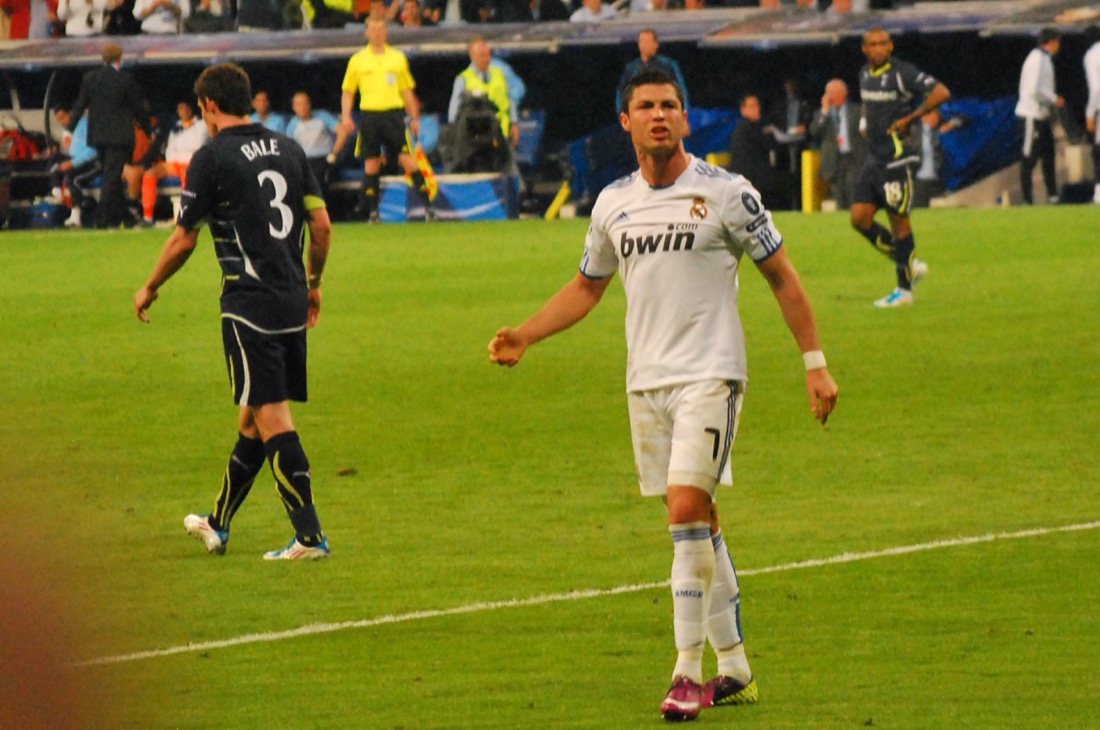
Cristiano Ronaldo has scored more career goals than any player in football history — past 900 and counting — across five Champions League titles, five Ballons d'Or, and a top-flight career still running in his forties, a full decade past the age at which most forwards retire.
Ask him for the secret and he doesn't point at the gym. He points at recovery. During his Real Madrid years, the club brought in sleep coach Nick Littlehales, and Ronaldo built the habits he still runs: early nights, short daytime naps, and a diet famously free of soda — the habit behind the viral Euro 2020 press-conference moment when he moved the bottles aside, held up water, and said one word: "Agua."
One honesty note, because this story attracts myths: the viral claim that Ronaldo sleeps in "five 90-minute naps instead of nights" is disputed by Littlehales himself, who has called it a misunderstanding. We don't use it. The verified picture is less exotic and easier to copy: sleep is planned and protected like training — not whatever time is left over.
The habit, precisely
- Sleep is scheduled like a session. Early, consistent nights — planned into the day the way training is, not scraped together from whatever's left at the end of the evening.
- Short naps as a recovery tool. This one is the club's practice, not a habit Ronaldo has described himself — Littlehales was brought to Real Madrid for the whole squad. Treat it as sports-medicine guidance rather than his personal routine.
- The evening protects the night. No soda is the visible tip of a boring, repeatable evening: hydration, food that doesn't fight sleep, wind-down over stimulation.
What the science says
Extra sleep measurably improved elite performance in weeks. Stanford varsity basketball players who extended sleep toward ten hours for five to seven weeks improved free-throw accuracy by 9%, three-point accuracy by 9.2%, sprinted faster, and reacted quicker (Mah et al., SLEEP, 2011). The small print that makes it more believable, not less: eleven players, no control group — small enough that it proved nothing on its own, striking enough that professional clubs started hiring sleep staff to find out. Even elite athletes were leaving performance on the table by sleeping too little.
Seven-plus hours is the adult consensus floor. The AASM/Sleep Research Society joint statement (Watson et al., SLEEP, 2015) recommends adults regularly sleep seven or more hours, associating chronic shorter sleep with impaired attention, mood regulation, and a catalogue of health risks. An athlete training hard on short sleep is paying for the day by shortchanging the night.
Naps are a legitimate recovery tool. Sports-medicine consensus guidance treats brief daytime naps as a recovery aid for alertness and reaction time — the reason nap rooms exist at training grounds. The practical guardrails from that literature: keep naps short (roughly 20–30 minutes) and earlier in the day, so they add to the night's sleep instead of stealing from it.
Routine consistency is what turns intent into sleep. Habit research (Lally et al., 2010) shows behaviors automate through repetition in stable contexts. A fixed evening sequence — same wind-down, same hour, same no-soda default — is how "I should sleep more" becomes a thing that happens without nightly negotiation.
Why "recovery is training" reframes everything
Most people file sleep under rest — the absence of effort, first thing sacrificed to a busy week. Ronaldo files it under training: the part where the day's work actually turns into fitness. Skip it and you lose some of what you trained for. That shift in thinking matters, because people give up rest easily but defend training fiercely. Nobody who thinks of Tuesday night as a session "just skips" it for one more episode.
Does it explain the longevity? Honestly: nobody can prove that. Genes, injury luck, and a superclub's medical staff all get a vote in a career that runs toward 40. What's provable is the direction of the evidence — nobody performs better on less sleep — and the observable fact that the players who last longest tend to treat recovery as part of the job.
How to run the method yourself, starting tonight
- Put tonight's sleep in the calendar first, at seven and a half to eight hours, and build the evening backward from it.
- Pick your "agua" swap. One default beverage change — soda or the late coffee → water — is a small lever with an outsized bedtime payoff.
- If you nap, nap like a pro: 20–30 minutes, before mid-afternoon, alarm set.
- Run the same last hour nightly. Screens down, lights down, same sequence — consistency is what automates it.
- Judge the habit weekly, not nightly. The scoreboard is nights-kept per week, same as sessions-kept.
The mistakes that kill the recovery habit
Treating sleep as the flexible part of the day. Most schedules fill in work, training, and social plans first and give sleep whatever's left — which is exactly backwards if recovery is training. The night goes in the calendar first; the evening is planned backward from it.
Napping like an amateur. The 90-minute, 5pm couch nap is how you ruin tonight's sleep. The pro rules: 20–30 minutes, before mid-afternoon, alarm set. If your nights are already shaky, skip naps entirely until they settle.
Undoing the evening with the afternoon. The late coffee, the nightcap, the 9pm screen marathon — each one quietly eats into the night's sleep. The "agua" swap works anywhere: find the one evening habit doing the most damage and change only that.
Chasing gear before basics. Trackers, supplements, and cooling mattresses are extras on top of the three things that do most of the work: a consistent schedule, a dark quiet room, and enough hours. Boring first, gadgets later.
Judging by one bad night. Everyone has them; athletes do too. The scoreboard is nights-kept per week — the same way no one judges a training block by a single flat session.
Where HealthBrew fits
HealthBrew's nightly close is the recovery log: sixty seconds to mark the day, note the early night or the swap you kept, and watch the green days stack up. Your AI companion coach looks back over your weeks and shows you which evenings come before your best days. Membership, cancel anytime.
Educational content, not medical advice. Persistent sleep problems deserve a clinician, not a routine tweak.
Common questions
Does Ronaldo really sleep in five 90-minute naps a day?
That viral claim is disputed by Nick Littlehales, the sleep coach it is attributed to, who told Die Zeit in December 2024 it was "a misunderstanding. You could even call it fake news." He was Ronaldo's sleep coach, but he worked with the whole Real Madrid squad rather than running a personal nap schedule. What is actually documented is narrower: sleep-coached habits from his Real Madrid years and no soda.
Can sleeping more actually improve physical performance?
In the Stanford study (Mah et al., 2011), elite players who extended their sleep for several weeks shot 9% better on free throws, 9.2% better on threes, and sprinted measurably faster. For chronically short sleepers, the fastest available performance gain is often the night itself.
How long should a nap be?
The performance literature’s practical guardrails: about 20–30 minutes, taken earlier in the day, so you wake before deep sleep and don’t undercut the coming night. Longer, later naps tend to steal from tonight’s sleep.
Start Compounding Your Habits Tonight.
Use the free reflection generator to log your day. Let your AI companion coach help you find your baseline and have more days you would want again.
Produce OutcomesRelated guides
Take the habit with you.
Close your day in 60 seconds and watch the green days stack. On the App Store, and the price you see is the one for your country. Cancel anytime.