Small Daily Reps — How Wilma Rudolph Went From a Leg Brace to the Fastest Woman Alive
Polio put her in a brace at five. At twenty she was the fastest woman in the world. Between the two: years of the same small exercises, repeated at home, day after day.
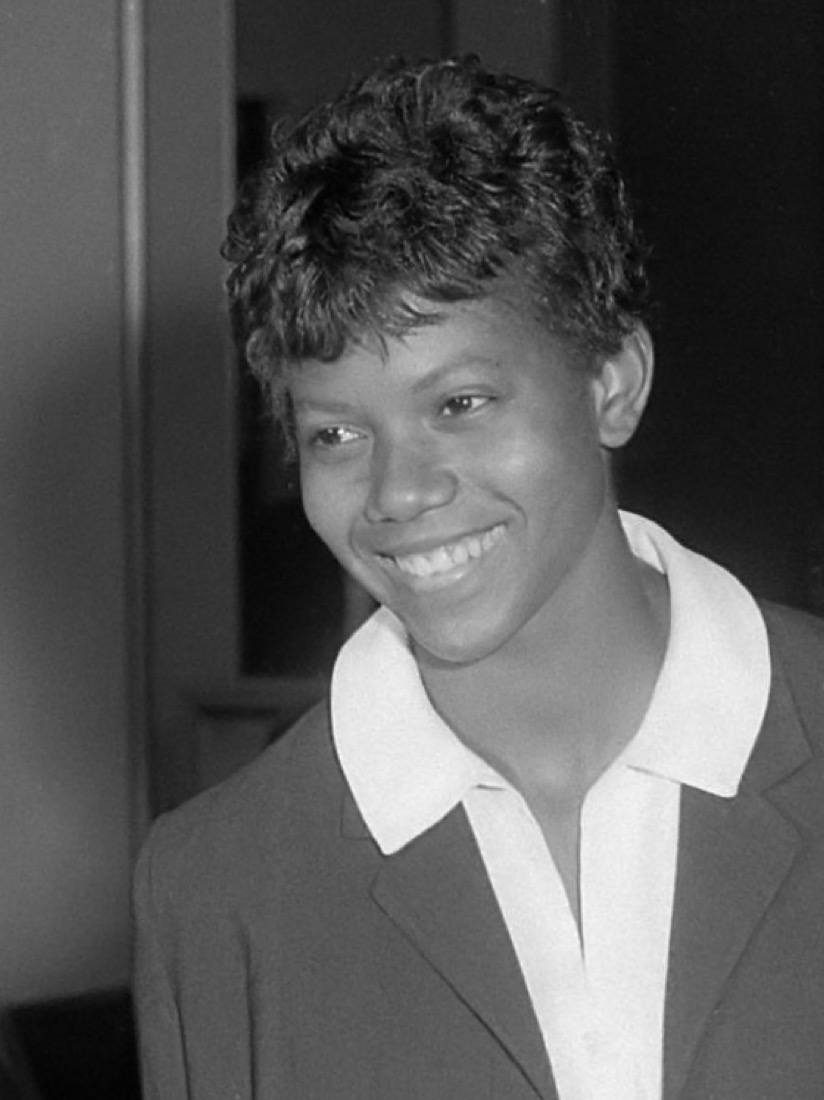
Wilma Rudolph contracted polio as a small child in 1940s Tennessee. Doctors fitted her with a metal leg brace at age five and told her family she might never walk unaided. At the 1960 Rome Olympics, she won three gold medals — the 100 meters, the 200 meters, and the 4×100 relay — and the press on two continents called her the fastest woman in the world.
What happened in between was not a miracle moment. It was medical care — twice-weekly therapy sessions her mother drove her to, fifty miles each way — plus the part her whole family carried: the same prescribed exercises and leg massages, repeated at home, several times a day, for years. Her siblings took shifts. By nine she walked without the brace. By twelve she was the fastest kid in her school.
Her recovery belongs to that team and that care — and honesty requires one more line: nobody can know how much was the home reps versus the therapy, her age, or the disease's own course. What the story shows isn't that reps cure. It's what executing a prescribed plan for years actually looks like. And one more: the reps took the brace off; they didn't make her the fastest woman alive. That took gifts nobody can copy. The brace part is the part that generalizes.
The habit, precisely
Strip the story to its mechanics and you get three rules:
- The work was prescribed, not improvised. Her exercises came from therapists at Meharry Medical College. The family didn't invent the reps; they executed them, relentlessly.
- The dose was small and daily, not big and occasional. Massages and exercises happened multiple times a day at home — not in heroic weekend sessions.
- It continued through the plateau. For years, almost nothing visibly changed. The reps continued anyway. Then everything changed.
What the science says about small repeated efforts
Frequency beats intensity for building anything durable. The UCL habit-formation study (Lally et al., European Journal of Social Psychology, 2010) found that habits form through repetition in a consistent context — same action, same cue, day after day — with a median of 66 days to automaticity among the 39 participants whose curves the model fitted, of 96 enrolled. Repetition, not effort level, was the active ingredient. A small thing done daily beats a big thing done now and then, simply because the daily one keeps happening.
Progress you can see sustains progress you can't. Teresa Amabile's diary research on the progress principle (Amabile & Kramer, 2011) found that small visible wins were the strongest single driver of sustained motivation across nearly 12,000 recorded workdays. This is why a rep count or a checked-off session works: on the days nothing improves — and rehab is mostly those days — the record of showing up gives you a win even when the mirror shows nothing.
Consistency is the documented failure point. Across rehabilitation research, adherence — simply doing the prescribed home exercises — is the metric that collapses first; a systematic review of physiotherapy adherence found roughly half of patients not completing their prescribed home programs (Jack et al., Manual Therapy, 2010). The Rudolph family solved that problem with people: shifts, shared responsibility, and a routine that didn't depend on any one person feeling motivated on any one day. Modern behavior-change research backs the design — Michie et al.'s meta-analysis (2009) found self-monitoring plus specific, scheduled action among the most effective technique combinations measured.
Why the plateau is where it's won or lost
Every long recovery, every skill, every fitness change has a dead zone: the months where the reps continue and nothing visible moves. Most plans die there — not because it hurts, but because it starts to feel pointless. The daily-reps method survives the dead zone for two reasons. The commitment is small enough to keep on days when belief is low, and the record of kept days gives you something real to point at when results won't cooperate. Rudolph spent years in that zone. The brace came off anyway.
How to run the method yourself, starting tonight
- Get the reps prescribed. From a physical therapist, a coach, a program — the method executes a plan; it doesn't improvise one nightly.
- Shrink the daily dose until it fits your worst day. Five minutes done daily beats forty-five minutes done when life allows.
- Attach it to a fixed moment. Same time, same place — after coffee, before bed. Context stability is what the habit research says drives automaticity.
- Track kept days, not visible results. Results plateau; kept days never do. Judge the week by the checkmarks.
- Recruit one other person. The Rudolph family ran shifts. Even one person asking "did you do your reps?" changes the odds.
The mistakes that kill this method
Improvising the reps. It's tempting to invent new exercises every week, but recovery and skill-building both work by doing the same boring, prescribed things over and over. If the plan changes every time you read a new article, you never rack up the repetitions that actually change your body. Get the program from someone qualified, then be the person who executes it.
Judging weeks by visible results. In any long recovery, most weeks look like nothing happened — and if you expect visible progress every week, you'll quit during one of those stretches. Judge yourself on kept days instead. That's a score every honest week can win.
Doing it alone when help is available. The Rudolph family ran shifts for years. Doing it alone is the documented weak point of home-exercise programs. One person who asks "did you do your reps?" costs nothing and changes the odds.
Making the daily dose too ambitious. If the session is sized for a good day, you'll skip it on tired days — and skipped sessions, not small ones, are what stall a recovery. Make the daily minimum fit your worst realistic day and let good days add on top.
Stopping when it starts working. The brace comes off, the pain fades, the skill shows up — and the reps stop, because it feels like you don't need them anymore. But the reps are why it got better. Wind down on the professional's schedule, not after the first good week.
Where HealthBrew fits
HealthBrew's nightly close helps you get through the flat stretches: sixty seconds to mark the day, check off the reps you kept, and watch green days add up — visible progress for the months when the mirror shows nothing. Membership, cancel anytime.
Educational content, not medical advice. Wilma Rudolph's recovery reflects medical care, therapy, and her family — never willpower alone. If you're in rehabilitation, follow your clinician's program.
Common questions
Is it better to do small exercises daily or longer sessions a few times a week?
For building a durable habit, the research favors frequency: habits form through repetition in a consistent context (Lally et al., 2010), and small daily doses survive bad weeks in a way long sessions do not. For a specific medical or training outcome, follow the dose your clinician or coach prescribes.
How do you stay motivated during a plateau?
Track kept days instead of visible results. Amabile’s progress-principle research found small visible wins are the strongest sustained motivator — a checked-off day is a win you control even when outcomes stall.
Did Wilma Rudolph really recover from polio through exercise?
Her recovery came from medical treatment at Meharry Medical College, years of therapy, and a family that executed the prescribed home exercises and massages daily. The habit was one part of a larger medical story — that’s the accurate framing, and the daily-execution part is what generalizes.
Start Compounding Your Habits Tonight.
Use the free reflection generator to log your day. Let your AI companion coach help you find your baseline and have more days you would want again.
Produce OutcomesRelated guides
Take the habit with you.
Close your day in 60 seconds and watch the green days stack. On the App Store, and the price you see is the one for your country. Cancel anytime.