The Andrew Huberman Daily Routine (2026): A Sourcing Ledger, Verified, Disputed, and Mythology
He is the rare case where you can check the source, because he is the source. That makes it easy to see which parts the internet added.
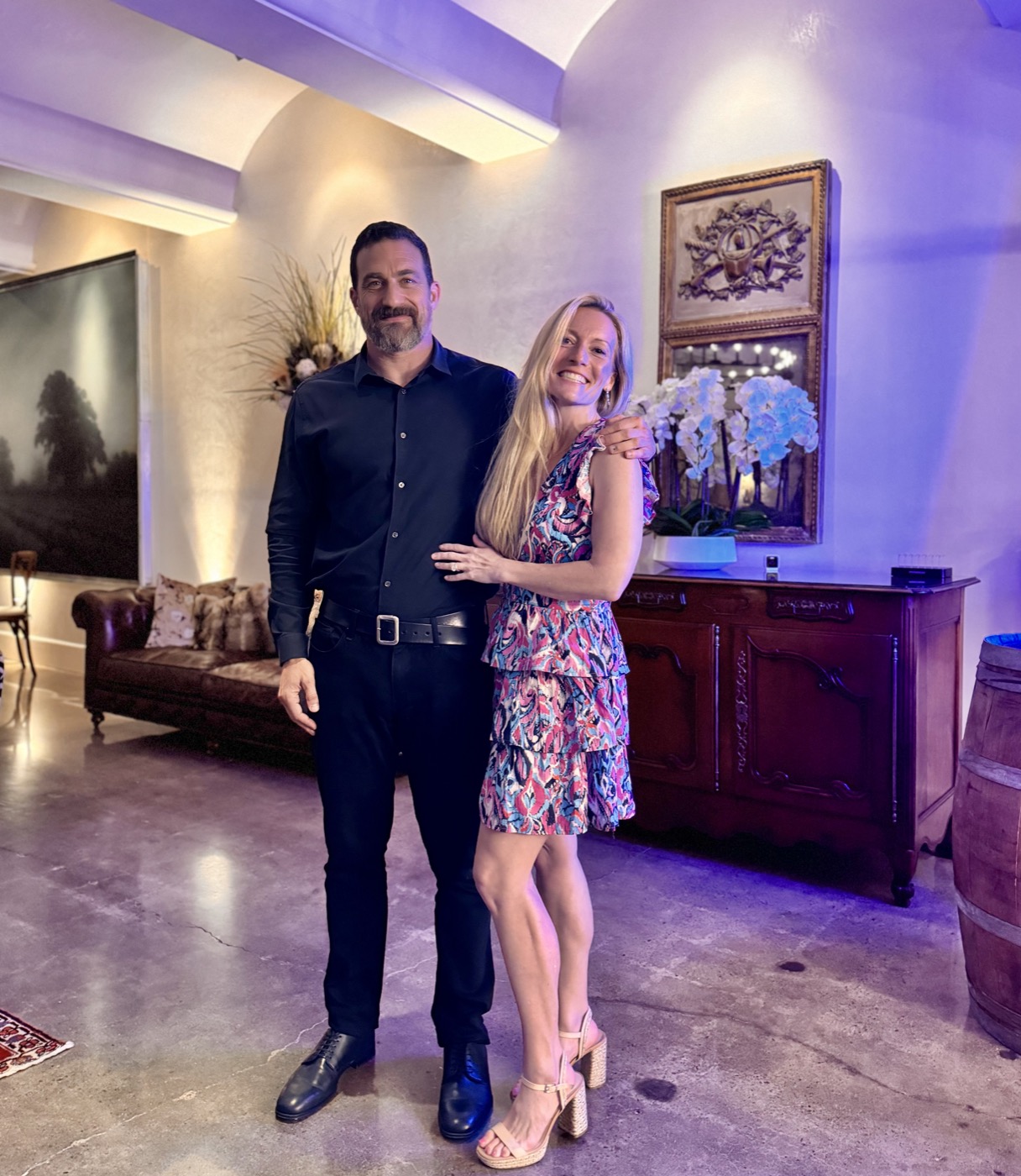
Most people on our routine pages never wrote their habits down. Andrew Huberman did. He is a Stanford neurobiology professor who publishes his protocols in his own newsletter, with numbers attached, so the verified column here is stronger than on any page we have made.
That creates the opposite problem. Precision gets repeated as if it were proof, and the internet hardened his protocols into a minute-by-minute schedule he never published.
Three columns: verified, what he wrote or said; disputed, where the recommendation outruns the evidence; mythology, what the internet built.
Verified, his own published protocols
Sunlight soon after waking. From his Sleep Toolkit newsletter on hubermanlab.com: "View sunlight by going outside within 30-60 minutes of waking. Do that again in the late afternoon, prior to sunset." The mechanism, and where the minute counts run out of evidence, are in the sunlight deep-dive.
A fixed wake time, and sleep when sleepy. Same newsletter: "Wake up at the same time each day and go to sleep when you first start to feel sleepy." Note which end he anchors, the alarm is fixed, the bedtime is a signal you follow.
Caffeine, capped naps, cooler room. Delay the first cup roughly 90 to 120 minutes after waking, then stop early: "Avoid caffeine within 8-10 hours of bedtime." Naps, "less than 90 min, or don't nap at all."
Three lifting days, three cardio days, one recovery day. The shape of his Foundational Fitness Protocol, and he says it is one option, not the answer: "I acknowledge there is a range of best practices regarding exercise and optimal training." He even volunteers a deviation most people would hide: "I confess I never train my chest, but I do get enough chest training from dips. That's me."
A late first meal, described as his preference. Episode 41, first person: "it's very easy for me to not eat until noon or one... Eating early in the day is actually somewhat of a challenge." What suits him, not a protocol.
Disputed, real recommendations, thinner evidence
The 90-minute caffeine delay. Harmless habit, thin support. Researchers examining it note that adenosine clears faster than the 90-to-120-minute window implies, and that a delayed first coffee mostly pushes the afternoon dose later, the dose that costs you sleep.
NSDR. Non-sleep deep rest is his rebrand of yoga nidra, and the branded version has no clinical literature of its own. The dopamine claim people repeat rests on one PET study of eight male meditation teachers, each serving as his own control (Kjaer et al. Cognitive Brain Research, 2002). He writes plainly that nothing can completely replace sleep, usually the first caveat lost.
The supplement list. Magnesium threonate, apigenin, theanine and glycine appear with milligram figures in his sleep toolkit. Doses printed that precisely read like a prescription; the evidence is not. Talk to a doctor or pharmacist first.
Mythology, the schedule he never published
The exact wake-up time. Routine sites state 5:30am, or 6:00, or 5:00 "without an alarm," each with no citation. We went through his newsletters on hubermanlab.com, the Sleep Toolkit, and the transcript archives indexed from his episodes. What he publishes is "the same time each day", consistency, not a number. The number came from the pages selling you a morning.
The minute-by-minute timetable. The widely-copied version: cold shower, push-ups, exactly ten minutes of light, two glasses of water, in that order, is a template. He publishes by category.
"Three to five hours of sleep." This appears on aggregator pages about him and contradicts everything he publishes. Our position, independent of him: adults should aim at seven hours or more (Watson et al. SLEEP, 2015, a consensus panel reading mostly observational evidence). Do not copy a short night, whoever is reportedly running one.
What the ledger actually teaches
Precision is not proof. Even the habit research is loose: the best-known study enrolled 96 volunteers by self-report and reported a median of 66 days, range 18 to 254, a median over the 39 whose curves the model fitted (Lally et al. European Journal of Social Psychology, 2010).
And Huberman is a tenured scientist with a lab, a production team, and a job that rewards running protocols in public. Much of the copied day is a professional's working conditions.
The parts worth taking are free, and they are the four he actually published, with their numbers intact: the same wake time seven days a week, including weekends. Outside within 30 to 60 minutes of waking. Last caffeine 8 to 10 hours before bed. Naps under 90 minutes, or skip the nap. None of it needs a stopwatch, and the stripped-down version everyone repeats, "get light, be consistent", is the one that does nothing, because you cannot act on it. We wrote about him because he is famous, which is a biased way to pick whose morning to study.
Where HealthBrew fits
A published protocol tells you what someone else does, not what works on your Tuesday. HealthBrew's nightly close takes sixty seconds, and after a few weeks it shows which habits sit under your good days. Membership, cancel anytime.
Educational content, not medical advice. Quotes are from Andrew Huberman's own Sleep Toolkit and Foundational Fitness Protocol newsletters on hubermanlab.com and Huberman Lab episode 41. Claims with no primary source are marked as mythology rather than repeated. Supplements and sleep problems are a conversation with a clinician.
Common questions
What time does Andrew Huberman wake up?
He has not published a wake-up time. The 5:00, 5:30 and 6:00am figures on routine aggregator sites carry no citation. What he actually publishes in his Sleep Toolkit newsletter is a rule rather than a number: "Wake up at the same time each day and go to sleep when you first start to feel sleepy." We checked his newsletters on hubermanlab.com and the indexed episode transcripts and found no stated hour.
Does delaying your morning coffee by 90 minutes actually work?
It is his recommendation, but it has not been demonstrated. Researchers examining the claim note that adenosine clears faster than the 90-to-120-minute window implies, and that delaying the first cup mainly shifts the second one later in the day, which is the one more likely to cost you sleep. There is no trial showing the delay prevents an afternoon crash. His firmer caffeine rule is the other one: avoid it within 8-10 hours of bedtime.
Is there good evidence behind NSDR?
The branded term has no clinical trial base of its own; it rests on the older yoga nidra literature. The dopamine figure people repeat comes from a single PET study of eight male meditation teachers, each serving as his own control (Kjaer et al. Cognitive Brain Research, 2002). Huberman himself writes that nothing can completely replace sleep, which is the caveat most often dropped when the claim gets repeated.
Start Compounding Your Habits Tonight.
Use the free reflection generator to log your day. Let your AI companion coach help you find your baseline and have more days you would want again.
Produce OutcomesRelated guides
Want more days like theirs — measured on your own life?
HealthBrew is a physician-built longevity habit tracker. Close your day in about 60 seconds; your AI companion coach finds what your best (“green”) days have in common. Educational self-reflection — not medical advice.
Close tonight · ~60 seconds