Before the Light — The Toni Morrison Method for Protected Quiet Time
She got up while it was still dark, made coffee, and watched the light arrive. Not because it was poetic. Because she was a single mother with two kids and a full-time job.
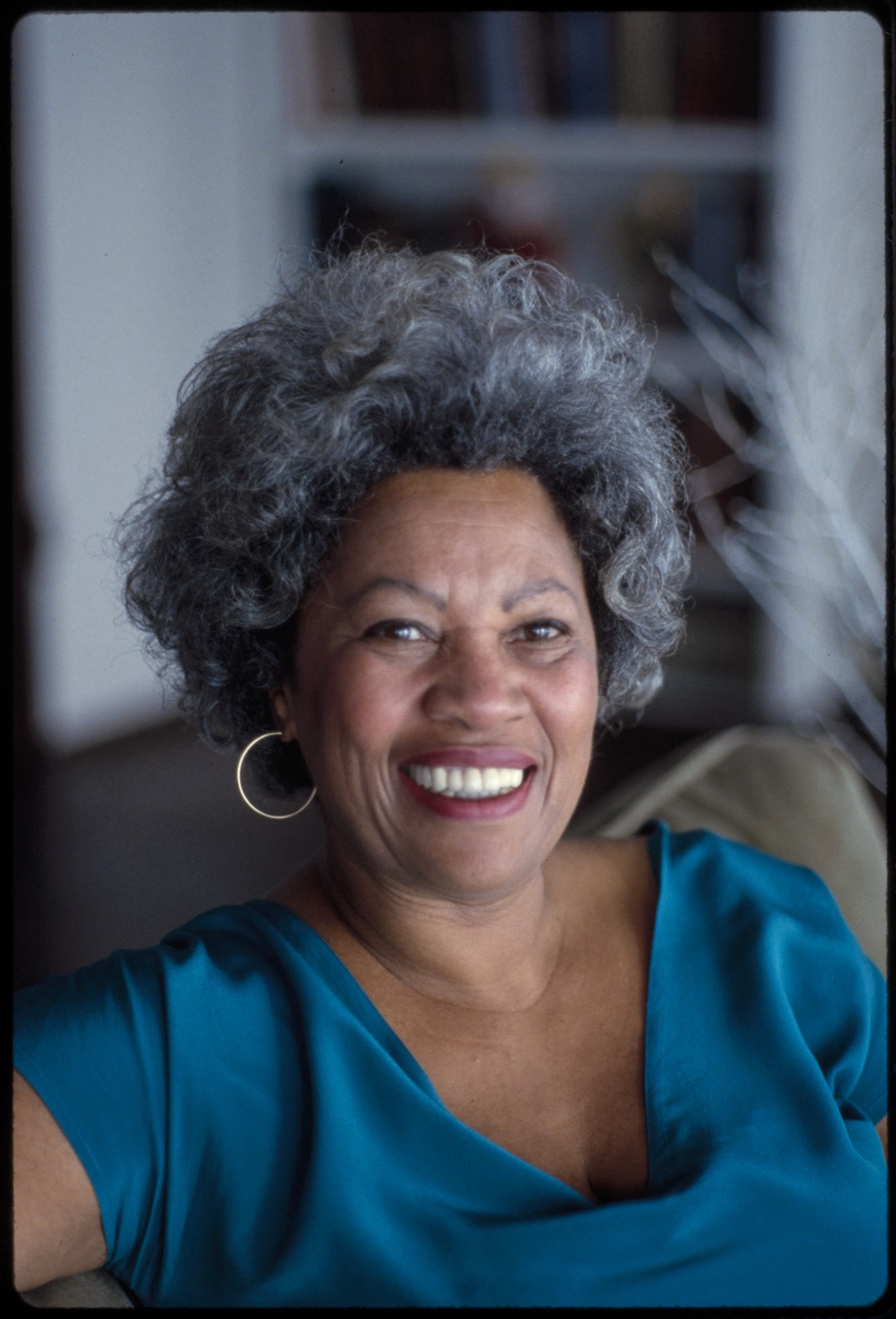
Toni Morrison won the Nobel Prize in Literature in 1993 and the Pulitzer Prize for Beloved. She received the Presidential Medal of Freedom. She died in 2019.
For much of the time she was writing the books that did all that, she had a day job. She was an editor at Random House. She was a single mother raising two sons. There was no writing room, no sabbatical, no quiet house.
So she got up before her children did. In a 1993 Paris Review interview with Elissa Schappell — The Art of Fiction No. 134 — she described it: "I always get up and make a cup of coffee while it is still dark—it must be dark—and then I drink the coffee and watch the light come."
The hour was dark for a plain reason. It was the only hour nobody wanted from her. Her sons were asleep. Nobody had said "Mama" yet. The office was still hours away.
And here's the part that actually carries over, which almost every retelling of this story misses. She didn't design the routine. She noticed it — in that interview she says she at first thought she didn't have a ritual, and only remembered the coffee and the dark when another writer described her own. What she said the ritual was doing is the useful part: "For me, light is the signal in the transition. It's not being in the light, it's being there before it arrives." Not the hour. The signal. We take that sentence apart on its own page: why the signal, not the hour, is the part you can copy.
Be honest about the rest. The novels are hers. The sentences are hers. Nobody gets Beloved by getting up at five. What you can take is the method underneath. Watch your own days. Find the things that keep showing up before the good ones. Then protect those things, because they matter.
The habit, precisely
- A stretch of time nobody else has a claim on. For her, before the house woke up. The hour on the clock isn't the point. The point is time when nobody can reasonably ask you for anything.
- One small thing that starts it. Making the coffee. Four minutes, the same way every day, and by the time it's done you're in the hour. The coffee does the starting so you don't have to.
- Quiet on purpose. Dark room, coffee, waiting. No email, no news, no phone. She was there before the light came, at the start of something, instead of reacting to something already going.
- Found first, then protected. People skip this step. Notice what came before your good days. Then put it in the diary. Not the other way round.
What the science says
Habits settle in through repetition in the same setting — same start, same place, same time. In the UCL study, 96 volunteers each started one new daily habit. The famous figure is a median of 66 days before it felt automatic, range 18 to 254 — over the 39 whose curves the model fitted (Lally et al., European Journal of Social Psychology, 2010). What made the difference was doing it the same way in the same place, not trying harder. An hour tied to the same time and the same first move is exactly what that study describes. Small print, said here rather than hidden: 96 people, reporting on themselves. Good evidence, not proof.
You can't spot a pattern you never wrote down. A review of 122 studies found that programs built on recording your own behavior clearly beat the ones without it (Michie et al., Health Psychology, 2009). Morrison saw her pattern because she paid close attention to how she worked, over years. Most people never find theirs, because they never keep the record that would have shown it.
On good days, what people report is small visible progress. Across nearly 12,000 daily diary entries from working professionals, the best sign of a good day was seeing progress on work that mattered to them — even a little (Amabile & Kramer, The Progress Principle, 2011). A protected hour hands you one small win before the day has had a chance to take one off you. That's a lot of why an early hour feels different from the same hour scraped together at 9pm.
Sleep is the limit on any early-morning plan, and you don't get to skip it. The American Academy of Sleep Medicine and Sleep Research Society jointly recommend adults regularly get seven or more hours, and link long-term short sleep with worse attention and mood (Watson et al., SLEEP, 2015). This matters here more than anywhere. An early hour paid for out of your sleep isn't a good habit, it's a debt. If you want the hour before the house wakes, get it by going to bed earlier. Not by sleeping less.
Why noticing beats designing
Most advice hands you a stranger's routine and tells you to run it. Cold plunge at 5:30, journal at 5:45, gratitude at 6:00. It usually doesn't last, because it was built out of somebody else's life.
Morrison did the opposite. She had good writing days and bad ones. She watched closely enough to see what the good ones had in common, and the answer wasn't something she picked. It was something she found. Dark. Coffee. Before anyone needed her.
Yours will be different and it'll probably be boring. A walk before work. Twenty minutes after the kids are down. Sunday afternoon. The method is the part that carries over. Stop guessing what a good day needs and start reading your own record of them.
That's the whole idea behind what we build. You can't repeat something you never noticed.
How to run the method yourself, starting tonight
- For two weeks, write one line a night: how the day went, and what the morning was like. That's it. You're collecting what Morrison had, which was years of paying attention to her own days.
- After two weeks, read it back and look at your best three days. What time you started, how you slept, who you saw, what you did first. Something will show up twice.
- Put that time in the calendar as a repeating appointment, this week. Give it a name. A vague intention loses to any real meeting.
- Pick a four-minute opener and never change it. Grinding the coffee, filling the kettle, switching one lamp on. It starts the session so you don't have to decide to.
- If your hour is early, move your bedtime first. Before you move the alarm. Seven hours is the floor (Watson et al., 2015). Taking the hour out of your sleep is how this turns on you by week three.
The mistakes that kill this habit
Copying someone else's hour instead of finding yours. Morrison's was dark because that was when her house was quiet. If your house is quiet at 9pm, 5am isn't your answer, and forcing it just gets you two miserable weeks and then nothing.
Taking the hour out of your sleep. This is the most common mistake and it costs the most. An earlier alarm with the same bedtime slowly takes from your attention, your mood and your health. Bedtime first, then the alarm.
Opening your phone inside the hour. One look at email and the hour isn't yours anymore. You're working off someone else's list. Hers had nothing in it but coffee and waiting. Leave the phone in another room.
Waiting for perfect conditions. The right desk, the right season, a good night's sleep. Wait for all that and the hour never happens. She had a full-time job and two children. The conditions were never right. She took the hour anyway.
Skipping the noticing. If you jump past the two weeks of paying attention and go straight to installing a routine, you're copying a stranger again. The noticing is the method. The routine is just what comes out of it.
Where HealthBrew fits
HealthBrew is built for the noticing part. The nightly close takes sixty seconds — a color for the day, a few honest lines — and after a few weeks your AI companion coach reads it back and tells you what your good days have in common. Same move Morrison made, except you don't have to hold years of it in your head. Once you know what your good days need, you can protect it. Membership, cancel anytime.
And to be fair about it: we wrote about Morrison because she won a Nobel Prize. Plenty of people guard a quiet hour and never publish anything at all. They just get a better start to a lot of ordinary days, and that was always reason enough.
Educational content, not medical advice. Toni Morrison's work reflects her talent and her life. The habit of noticing what precedes your good days is the part anyone can use.
Common questions
What was Toni Morrison’s actual morning routine?
In her 1993 Paris Review interview (The Art of Fiction No. 134, interviewed by Elissa Schappell) she described getting up while it was still dark, making coffee, and watching the light arrive before writing. The origin was practical: she was a single mother and a full-time editor at Random House, and the pre-dawn hour was the only time before her children woke.
Do I have to get up early for this to work?
No. The mechanism is a protected, low-stimulation window with a stable cue — not the hour on the clock. Morrison’s window was early because that was when her house was quiet. Find the stretch of your day that nobody else has a claim on, and protect that one. Taking the time out of your sleep is the version that fails.
How do I figure out what my own good days have in common?
Write one line a night for two weeks about how the day went and what came before it, then read it back and look at your best three days. Self-monitoring is among the most effective behavior-change techniques measured (Michie et al., 2009), largely because patterns that are invisible inside a single day are obvious across thirty written ones.
Start Compounding Your Habits Tonight.
Use the free reflection generator to log your day. Let your AI companion coach help you find your baseline and have more days you would want again.
Produce OutcomesRelated guides
Take the habit with you.
Close your day in 60 seconds and watch the green days stack. On the App Store, and the price you see is the one for your country. Cancel anytime.