Exercise Dissipates Tension — The Mandela Method for Moving Under Constraint
A cell roughly seven feet across. No equipment. Twenty-seven years. He ran in place, did push-ups on his fingertips, and rested on weekends — to keep his mind his own.
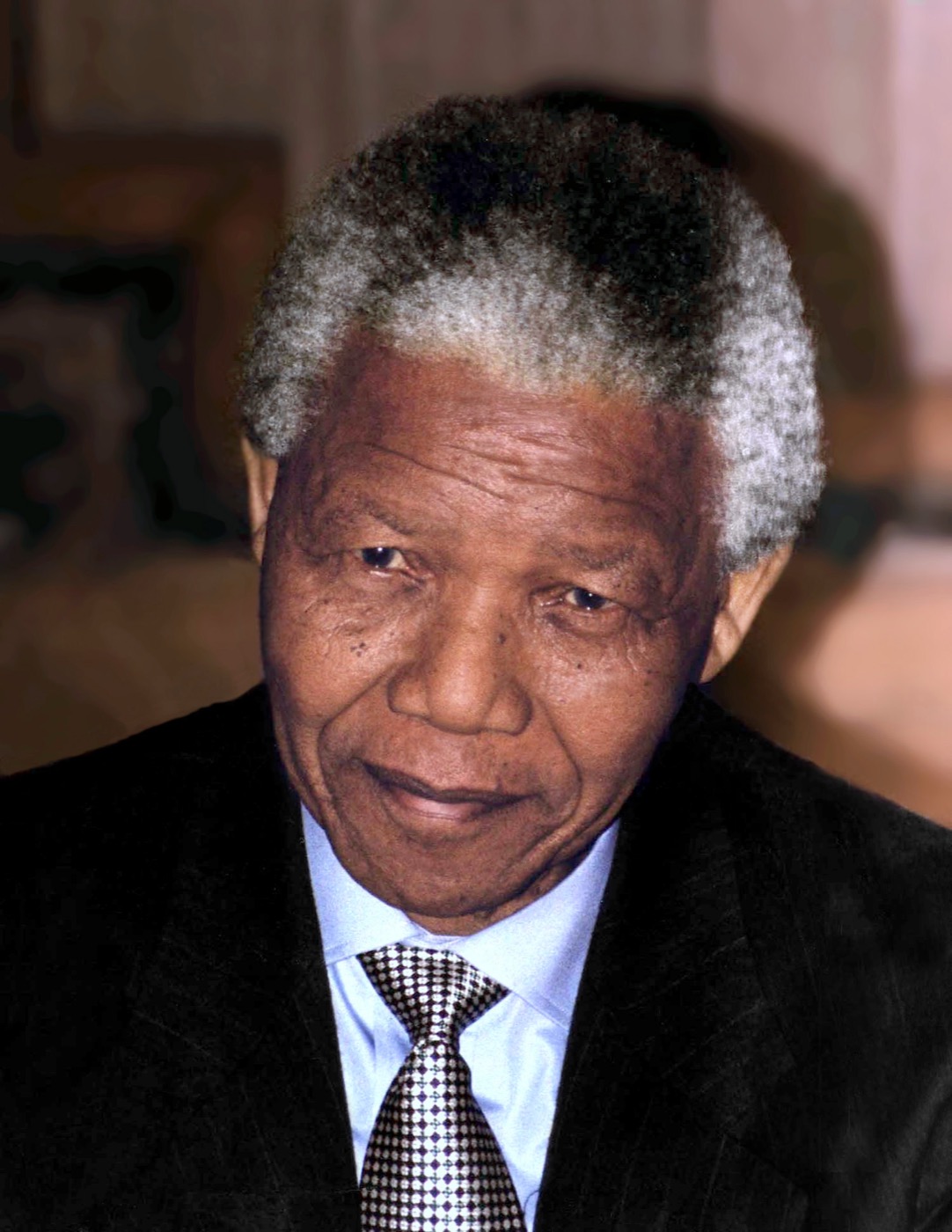
Nelson Mandela was imprisoned for twenty-seven years. Eighteen of those were on Robben Island, in a cell small enough that he could touch opposite walls. He was a political prisoner under apartheid. Almost everything that makes a life a life was taken from him. His family. His work. His freedom to move. His name in the newspapers. Any say in what happened next.
Before prison he had boxed as an amateur, training at a gym in Soweto when he was younger. It was the discipline of the training that interested him, more than the fighting. In his cell, he kept the training.
He describes it in Long Walk to Freedom, his own memoir. Monday through Thursday: stationary running in place for up to forty-five minutes, one hundred fingertip push-ups, two hundred sit-ups, fifty deep knee-bends, and other calisthenics. Friday through Sunday, he rested.
His stated reason is the whole point of this article, and it is worth reading in his own words: "Exercise dissipates tension, and tension is the enemy of serenity."
Not weight. Not how he looked. Not performance. Serenity. The state of mind he needed to stay himself through twenty-seven years, and to walk out able to negotiate instead of take revenge.
Say the honest thing clearly. What made Mandela extraordinary was not a workout. It was moral seriousness, political judgement, and restraint under an injustice most people will never face. None of that is copyable, and this article won't pretend otherwise. What is copyable is much smaller and still worth something. When everything about his life was outside his control, he kept one small thing that wasn't. And he did it for his mind.
The habit, precisely
- Fixed days, not a fixed mood. Monday to Thursday, every week. Not when he felt strong. Not when the day looked good. Four days, decided in advance.
- Rest built into the plan. Friday, Saturday, Sunday off. The rest days were part of the plan, not a failure of it. A schedule with rest in it is one you can keep for years.
- No equipment, no space. Running in place. Fingertip push-ups. Sit-ups. Knee-bends. Every one of them chosen because it worked in a cell with nothing in it.
- A reason he could say out loud, about his mind. He was clear about why he did it. To get rid of tension. Having the reason is what kept it going when there was nothing else to keep it going.
What the science says
People who exercise report fewer bad mental-health days, and the sample here is enormous. In an analysis of 1.2 million adults in the United States, people who exercised regularly reported far fewer days of poor mental health in the past month than people who didn't, once you matched them on background and health history. The link was strongest at moderate, regular amounts, not extreme ones (Chekroud et al., The Lancet Psychiatry, 2018). It's a snapshot, and people reported on themselves, so it shows a link and not a cause. People who feel better may simply move more, and the authors say so. But it's 1.2 million people, and it points the same way Mandela did writing about his own cell.
How often mattered more than how long or how hard. In that same data, the link was strongest at around three to five sessions a week, and doing much more wasn't better. Four days on and three days off sits right in that range. He seems to have found it by feel, decades before anyone measured it.
People who move more live longer, and most of the gain comes early. About 2,100 middle-aged adults were followed for roughly a decade. Those getting at least around 7,000 steps a day had substantially lower death rates than those getting fewer, and most of that gain came in the jump from low to moderate, not at the top end (Paluch et al., JAMA Network Open, 2021). Observational, so it doesn't prove cause. Healthier people also move more, which the authors note. Either way the practical read is the same. Going from almost nothing to something is where nearly all the measured benefit is.
His routine held for decades in conditions nobody would choose or wish on anyone. A fixed time and a fixed place, week after week, is what the habit research points to, and it was what he had left. He used it.
Why he did it for his mind, not his body
Most exercise advice is selling you a body. His reason was different, and his is the one worth borrowing.
He had almost no choices left. He could not decide where he was, who he saw, what he read, or when any of it would end. The routine was one of the very few things still his. Forty-five minutes of running in place is not a small act when it is one of the only acts you have.
And what he described — the tension going somewhere — is what most people actually feel from exercise, long before anything changes in the mirror. You feel it the same day. That's what makes it worth keeping in a bad week. The payoff comes straight away, and it comes in your head.
There's a smaller lesson here too, and it belongs to ordinary life, not to his. A routine that needs nothing but floor space is one that survives a bad week. If the exercise you have in mind needs kit, a drive and a spare hour, and you keep not doing it, the problem might be that version, not you. That's a point about home workouts. It is not a comparison to what he went through.
How to run the method yourself, starting tonight
- Pick four days and write them down. Monday to Thursday is fine. Four days is inside the range where the Chekroud data shows the strongest link, and it leaves you three rest days that are part of the plan rather than a slip.
- Build a session that needs no kit and no room. Marching or running in place, push-ups off your knees or your toes, sit-ups, squats. Ten minutes counts. Start there.
- Set your minimum at ten minutes on your worst day. Not the good-day version. The one you can do tired, in a hotel room, with a sore back. Anything above the minimum is a bonus.
- Same time, same spot, every time. Doing it the same way in the same place is what the habit research says makes it stick. The corner of your bedroom is a perfectly good gym.
- Write down your reason and keep it where you'll see it. His was one sentence about tension. Yours might be "so I sleep" or "so I'm not snappy with my kids." A habit with a reason gets through weeks that one without a reason doesn't.
The mistakes that kill this habit
Setting the bar at a proper workout. If it only counts at forty-five minutes, the first hard week gives you a zero, and then so does the next one. Set the minimum at ten minutes so turning up is always possible, and let the good weeks run long on their own.
Treating rest days as failures. His plan had three a week, on purpose. A schedule that wants seven days out of you is one that ends with you apologising to yourself. Put the rest in the plan and it stops being guilt.
Making it depend on a gym, kit or a drive. Every extra requirement is another way for the day to beat you. The whole point of this routine is that it worked in a room with nothing in it.
Judging it in the mirror. What he described was same-day and mental. Measure a habit like that by how you look and you'll decide it isn't working during exactly the months it is.
Quitting after a missed week. The Lally data says a miss doesn't undo the habit. Quitting over the miss does. Twenty-seven years is a long time, and nobody keeps anything that long without gaps. Start again on the next scheduled day.
Where HealthBrew fits
HealthBrew is for keeping one small thing going when the rest of the week isn't yours to decide. Close the day in sixty seconds, mark whether you moved, write one honest line about how you felt. Over a few weeks your AI companion coach shows you the thing most people suspect and never actually check: which days you moved, and how those days went. It's a small tool for a small idea that lasts. Membership, cancel anytime.
Worth saying plainly: we wrote about Mandela because of who he became, and that skews the picture. Most people who keep a routine like this are never known for anything. They do it because of what it does to an ordinary week, which is the honest reason to do it.
Educational content, not medical advice. Nelson Mandela was a political prisoner, and his endurance reflects far more than a routine. If you are starting a new exercise habit, a check-in with your clinician first is worth it.
Common questions
What was Nelson Mandela’s prison exercise routine?
In Long Walk to Freedom he describes keeping his old boxing-training routine Monday through Thursday in his Robben Island cell: stationary running in place for up to 45 minutes, 100 fingertip push-ups, 200 sit-ups, 50 deep knee-bends and other calisthenics, with Friday through Sunday as rest days. His stated reason was that "exercise dissipates tension, and tension is the enemy of serenity."
Is four days a week enough exercise to matter?
In the Chekroud et al. (2018) analysis of 1.2 million adults, the association with fewer poor mental-health days was strongest around three to five sessions a week — more was not better. That is an association, not proof of cause, but it suggests a four-day schedule with real rest days sits in a sensible range rather than being a compromise.
Can you get real benefit from exercise with no equipment and no space?
The routine described in his memoir used nothing but floor space: running in place, push-ups, sit-ups, knee-bends. For general health outcomes the step-count research (Paluch et al., 2021) also points the same way — most of the measured benefit accrues between very low and moderate activity, not at high volumes. The version you will actually do beats the version that needs a gym.
Start Compounding Your Habits Tonight.
Use the free reflection generator to log your day. Let your AI companion coach help you find your baseline and have more days you would want again.
Produce OutcomesRelated guides
Take the habit with you.
Close your day in 60 seconds and watch the green days stack. On the App Store, and the price you see is the one for your country. Cancel anytime.